In this text, we provide a contextualization of Brazilian Metazoan diversity across several available frameworks, with particular emphasis on detailed comparisons with Mexico, the United States, and Colombia. The focus is on a concise and objective language, directed toward groups whose discussion is especially relevant in this context.
CTENOPHORA
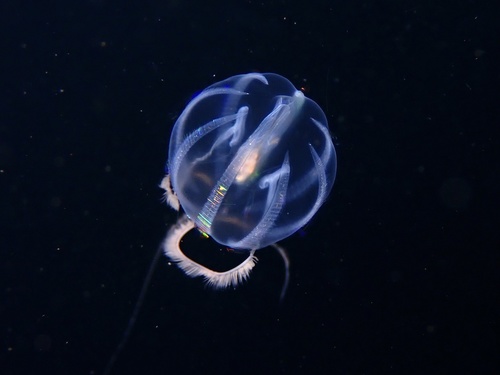
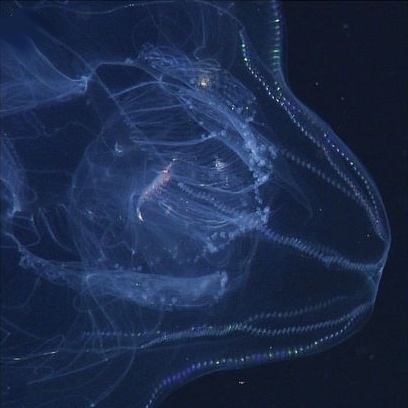
Mexico has (13:17/)30 spp. (2 in the Gulf of Mexico, 7 in the Mexican Caribbean Sea, 25 in the Gulf of California, 11 in the E Tropical Pacific, and only 1 are known in the NE Pacific — Puente-Tapia et al., RSMS, 2021), and Brazil only 14. The families Thalassocalycidae (sole representative of the order Thalassocalycida in South America) and Mertensiidae are recorded in Chilean and Argentine waters but are never been recorded from Brazil.

PORIFERA
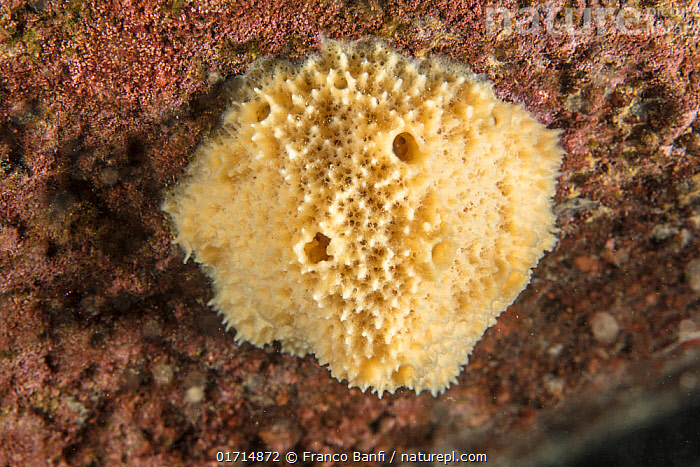
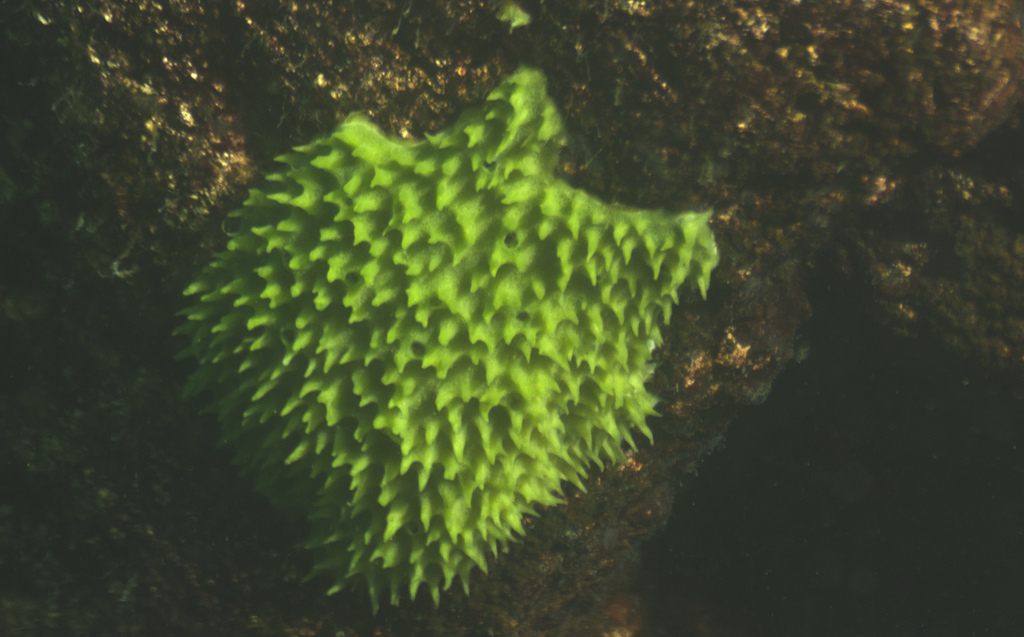
Brazil holds the highest isolated diversity of freshwater Porifera in the New World. The three freshwater sponge families not known from South America are Lubomirskiidae (10, endemic to Lake Baikal), Metschnikowiidae (1, Caspian Lake) and Malawispongiidae (6, Tanganyika and Malawi Lakes in Africa, Ohrid in North Macedonia and E Albania, Kinneret Lake in Israel and Syria, and Poso Lake in C Sulawesi). Mexico includes 517 spp. of Demospongiae (Revista Mexicana de Biodiversidad, 2014), with no available information for the other classes. Brazil surprasses Mexico in Demospongieae and in freshwater sponge diversity.
The deepest record for the class Hexactinellida belongs at least two different morphotypes observed at 7180m water depth in the Java Trench on Indian Ocean (Marchiò et al, Marine Biology, 2025).
TROGLOBICS
Troglobics in Porifera occur only in Balkans (1/1), Brazil (2/2) and N Mexico (1/1).




PLACOZOA
Simple, morphologically indistinguishable marine animals. The most recent phylogenetic analysis of Placozoa, by Tessler et al. (Frontiers in Ecology and Evolution, 2022), recognizes two groups: the class Polyplacotomia (containing a single species) and Uniplacotomia (comprising 22 species in 7 genera across 4 families, one of which — along with 4 genera — remains unnamed). Of the 23 species identified, only four have been formally described (SEE): Trichoplax adhaerens Schulze, 1883 (amoeboid, widely distributed in coastal areas; the only species recorded in Brazil, in Morandino et al., Zoologischer Anzeiger, 2006), Hoilungia hongkongensis Eitel, Schierwater & Wörheide, 2018 (amoeboid, known from a mangrove area in Hong Kong, in Eitel et al., Plos Biology, 2018), Cladtertia collaboinventa Tessler et al., 2022 (ameboid, known from aquarium environments), and Polyplacotoma mediterranea Osigus et al., 2019 (a ramified form, known only from Alassio, Italy, by Osigus & Schierwater, Current Biolgy, 2019). For a global map of Trichoplax collection sites, see Eitel et al. (Plos One, 2013, 2013).
CNIDARIA
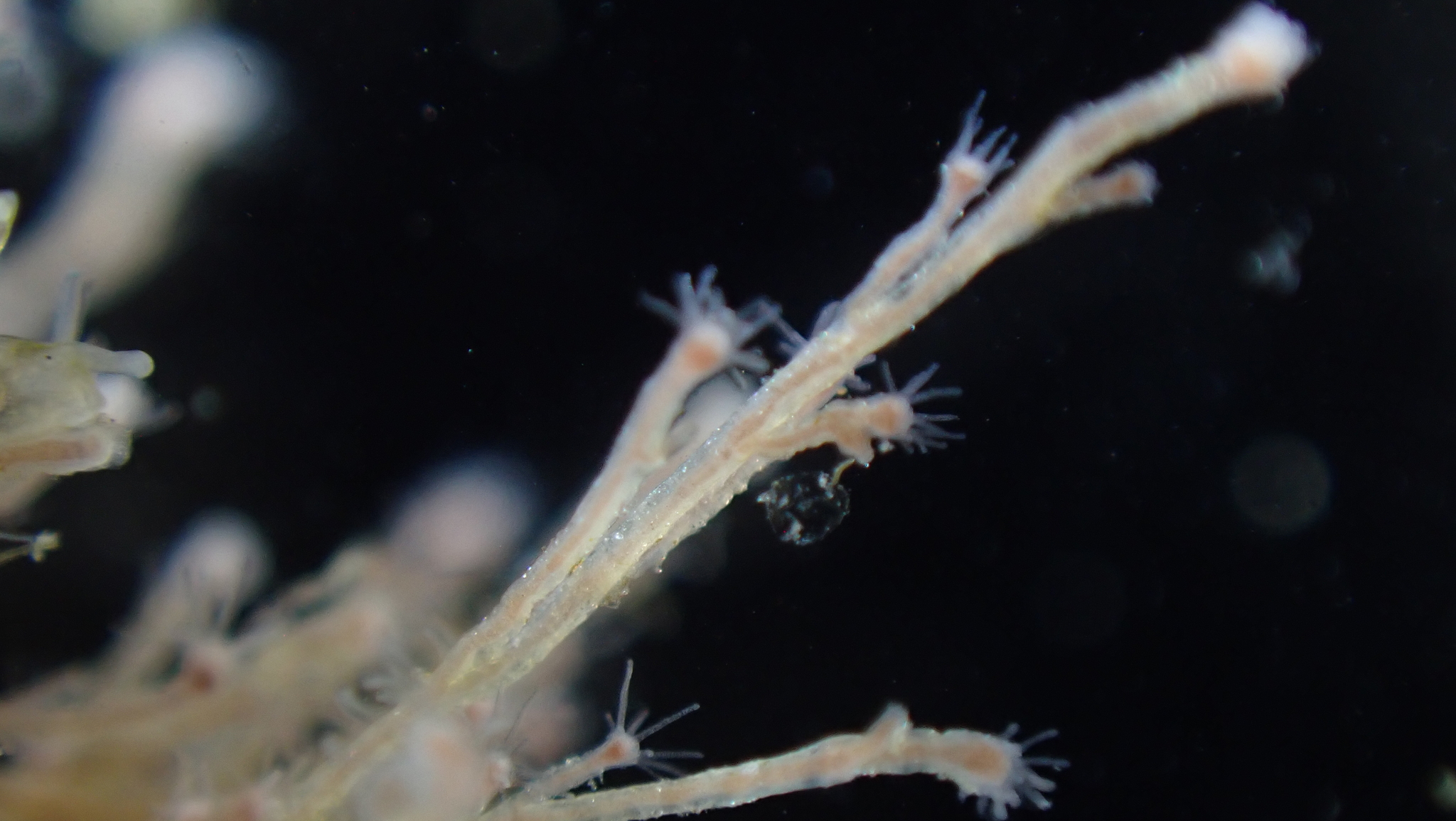
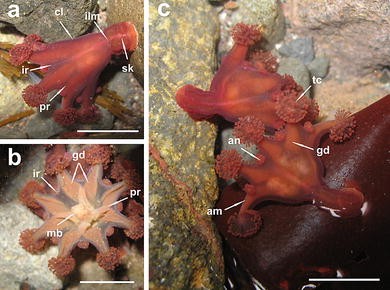
There is very little to say about Cnidaria absent from Brazil compared to other New World countries. Only five genera of freshwater Cnidaria do not occur in tropical America (Limnocnida, Pachycordyle, Polypodium, Calpasoma, and Velkovrhia), notably Polypodium hydriforme Ussov, 1885, unique intracelular parasitic in Metazoa, known from Russia, Romania, Kazakhstan, Moldavia, Ukraine, China (only Lake Khanka), Iran, and North America, and one of the canonical Metaoa lineages. In Staurozoa, there is a South American species that does not occur in Brazil, Haliclystus antarcticus Pfeffer, 1889. In Scyphozoa, a South American family is likewise absent from Brazilian waters, Phacellophoridae.
In Myxozoa, Brazil surprasses Mexican diversity but lacks the genera Palliatus, Myxoproteus, Myxodavisia, Bipteria, Parvicapsula (possibly), Myxobiliatus, Zschokkella, Auerbachia, Renispora, Pseudolantospora, and Alatospora, as well as the South American family Alatosporidae. Malacosporea, with a single family, Saccosporidae (2/3 spp., from North America, Europe and Borneo), is sometimes treated as a distinct class of Myxozoa. Here, we address it under the latter name, but there is a possibility of considering it valid in the future.
National endemic families in New World: Tottonophyidae (1/1, Siphonophora, USA).
TROGLOBICS
Many records of Cnidaria in freshwater caves can be found in several countries: Mexico, USA, Australia and several center European countries. The hydra Velkovrhia enigmatica Matjasic & Sket, 1971 is the only freshwater hydrozoan living exclusively in groundwater, endemic to the Dinarides in the Balkan Peninsula, where it has been known from five caves in Slovenia (3), Croatia (1) and Bosnia (1).


XENACOELOMORPHA
Small, flat and worm-like in marine and sometimes brackish water environments, on the sediments. Three clades with (19:115/)407 spp. worldwide.
XENOTURBELLIDA
Six species in Xenoturbella: one collected off the coast of SW Sweden, which is the type species; one species found at two sites along the coast of Japan; and four species collected along the Pacific coast of North America, ranging from California (2) to the Gulf of California in Mexico (3), with one species common to both areas. Xenoturbellida has no records from Brazil.
NEMERTODERMATIDA
(2:6/)18 spp. known only from a few distinct sampling spots: Sweden, Norway, Canarias Is., Belgic, east coast of North America, Bermudas, Adriatic and Mediterranean seas, New Guinea, Australia (Queesland) and New Zealand.
ACOELA
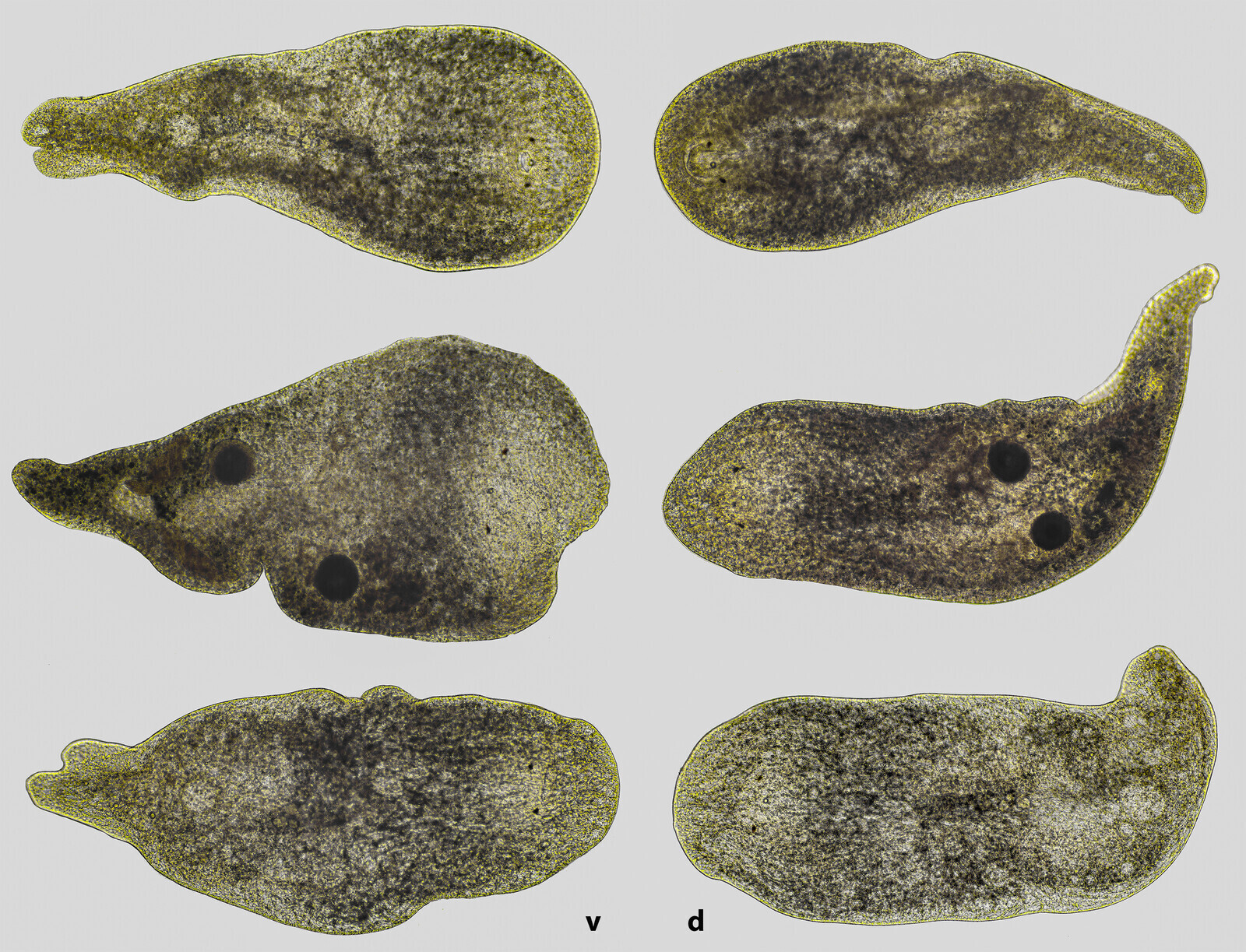
Only two species worldwide are freshwaters: Limonoposthia polonica Kolasa et Faubel, 1974 from lakes from Polonia, and Oligochoerus limnophilus Ax & Dörjes, 1966 from UK, France, Germany, Netherlands and Romania.


CHAETOGNATHA
National endemic families in New World: Bathybelidae (1/1, USA).
GNATHOSTOMULIDA
World diversity by country: NE Pacific (1:2/2), Galapagos (4:4/4), NW Atlantic (1:1/1), Bermuda (4:5/10, endemic family Problongnathiidae), Bahamas (4:4/4), SE USA (9:13/20), Caribbean (4:4/4), Puerto Rico (1:1/2), Barbados (1:1/1), Belize (5:6/14, endemic family Paucidentulidae), Panama (4:5/6), Canary Islands (4:4/5), W Europe (1:1/1), Ireland (3:3/7), Mediterranean Region (1:1/1), Denmark (2:2/2, endemic family Rastrognathiidae), Sweden (3:3/12), Croatia (4:4/4), Barents (1:1/1), South Africa (1:1/1), Madagascar (1:1/1), Reunion (1:1/1), Red Sea (1:1/1), Maldives (1:1/1), Hong Kong (2:2/2), Thailand (1:1/1), Papua New Guinea (1:1/1), Australia (6:7/10), New Zealand (5:5/9), New Caledonia (1:1/1), Fiji (7:8/13), Tahiti (5:5/5), Hawaii (3:4/8).
Apart from the references above, here we include two records of Gnathostomulida in Brazil: Gnathostomula sp. and Austrognathia sp., both cited for Araçá Bay, São Paulo, both undescribed.
MICROGNATHOZOA
No notes.
SYNDERMATA
The phylum is divided into seven groups, six of which are noteworthy, while one is unknown in Brazil. National endemic families in New World includes only Coronistomidae (1/1, USA).
TROGLOBICS
To date, only one species in this group has been reported as troglobic: Dendronucleata americana Moravec & Huffman, 2000, a parasite Eoacanthocephala of Typhlomolge rathbuni Stejneger, 1896 (Amphibia Caudata), known only from Texas, USA.
PARAROTATORIA
7 spp. in Seison (2) and Paraseison (5) worldwide, parasiting Nebalia (Malacostraca/Leptostraca), known from Adriatic Sea, Tyrrhenian Sea, Balearic Archipelago and along the Atlantic coast of France, Sea of Okhotsk, NW Pacific (but the identity of this species is questionable), Gazi Bay in Kenya, W USA, and unidentified specimens from S Chile.
MONOGONONTA
Three families do not occur in Brazil, all geographically disjunct within the order Ploima: Birgeidae (1/1, endemic to E North America), Clariaidae (1/1, Vietnam) and Cotylegaleatidae (1/2, Belgium and Turkey one endemic each).
BDELLOIDEA
Only two families does not occur in Brazil: Philodinavidae (New Zealand, Europe, North America, Sumatra, South Africa, South America, Hawaii) and Coronistomidae (endemic to USA).
EOACANTHOCEPHALA
Some American Latina genera do not occur in Brazil: Acanthogyrus (Quadrigyridae, Puerto Rico, T.Tobago, Old World, SEE), Deltacanthus (Quadrigyridae, Venezuela) and Wolffhugelia (Argentina and Uruguay).
PALAEACANTHOCEPHALA
Some American Latina genera do not occur in Brazil: Breizacanthus (Argentina), Neoacanthocephaloides (Puerto Rico), Caballerorhynchus (Mexico), Pseudocavisoma (Puerto Rico), Hypoechinorhynchus (Argentina), Tegorhynchus (Juan Fernandez, Puerto Rico), Pomphorhynchus (Mexico, Argentina, Chile), Pseudoleptorhynchoides (Mexico) and Plagiorhynchus (Mexico).
ORTHONECTIDA
(2:5/)24 spp. of parasites of marine invertebrates, mainly in Mollusca, Platyhelminthes, Acoelomorpha and Annelida, collected at their hosts in Atlantic coast of Europe, Arctic, W North America and Japan. Never collected in Brazil and in Mexico.
DICYEMIDA
(3:9/)122 spp. in nine genera: Dicyema (69), Dicyemmenea (42), Dicyemodeca (3), Dodecadicyema (1, E India), Pleodicyema (1, Spain), Pseudicyemma (3), Kantharella (1, Antarctica), Microcyema (1), and Conocyema (1), known from E Canada (1/1), USA (2/21, largest diversity worldwide), Mexico (1/2), Venezuela (1), Argentina (2/4), Mauritania (1/2), UK (1:2/2), Spain (1/1), France (2:3/6), Sweden (1/1), Norway (1/1), Italy (2/4), W Mediterranean (2:3/7), India (3/6), Japan (4/44), Russia (3/7), New Zealand (2/4), Subantarctic Islands (1/4), International waters (3/5), Antarctica (2:2/2, Kantharellidae endemic) and Australia (2/10).
GASTROTRICHA
National endemic families in New World: Hummondasyidae (1/1, Macrodasyda, Jamaica).
PLATYHELMINTHES
Gnosonesimida includes (1/)7 spp. in Gnosonesima, known from Massachusetts (USA), Antarctica (G. antarctica), North Sea and Greenland (G. borealis and G. brattstroemi), Mediterranean Sea (G. mediterranea) and Somalia (G. tropicalis), and unnamed records in California, Panama and SE Cuba.
National endemic families in New World: all Rhabditophora: Atamatamidae (3/3, Neodermata, Peru), Mucroplanidae (1/1, Amplimatricata, Ecuador), Discoprosthididae (1/1, Amplimatricata, Argentina), Euryleptididae (1/1, Amplimatricata, Brazil), Braunotrematidae (1/1, Neodermata, Brazil), Crassicollidae (1/1, Rhabdocoela, USA) and Acipensericolidae (1/2, Neodermata, USA).
TROGLOBICS
In this context, a total of six troglobitic lineages of Platyhelminthes are known. Four of these lineages have a very limited distribution: Amplimatricata (1, Prorhynchidae, Geocentrophora cavernicola Carpenter, 1970, from Kentucky, Virginia and West Virginia), Euneoophora/Proseriata (1, South Africa, Subterranean Biology, 2020), Euneoophora/Rhabdocolea (13 spp., all in Balkans), Euneoophora/Acentrosomata/Neodermata (Proteocephalus poulsoni Whitaker & Zober, 1978, from Kentucky, in Cestoda; Brachycoelium longleyi Moravec & Huffman, 2000 in Trematoda, from Texas, parasitic in Typhlomolge rathbuni Stejneger, Caudata, Folia Parasitologica, 2000).
ENTOPROCTA
Loxokalypodidae (1/2; Queen Charlotte Islands, Canada, and southern New Caledonia) is the only family of the phylum absent from Brazil, and Loxosomatoides sirindhornae Wood, 2005 (Pedicellinidae) is only the second freshwater species of Bryozoa known worldwide, being endemic to C Thailand.
National endemic families in New World: Polliciporidae (1/1, Gymnolaemata, Chile), Jebramellidae (1/1, Gymnolaemata, Brazil) and Tapajosellidae (1/1, Phylactolaemata, Brazil).
CYCLIOPHORA
A phylum consisting of three microscopic species within a single genus (Symbion) and family (Symbiidae), parasitizing lobster gills in the North Atlantic, and showing strong affinities with Entoprocta and Ectoprocta, collected in Halifax (Canada), Maine, Nova York, Massachussets and Maryland in NE USA, Norway, Sweden, Denmark, Faroe Islands, UK, France, Spain and Croatia.
NEMERTEA
Arhynchonemertes axi Riser 1988 is the only nemertean without a proboscis and rhynchocoel and is restricted to New Zealand. National endemic families in New World: Panorhynchidae (1/1, Anopla, Argentina), Pachynemertidae (1/1, Enopla, Bermuda), and Fasciculonemertidae (1/1, Enopla, Chile).
TROGLOBICS
Six out of 20-25 known freshwater species of Nemertea are possibly troglobic (stygobiotic): Prostoma puteale Beauchamp 1932, found in France, Switzerland, and Germany, P. hercegovinense Tarman 1961, found in Bosnia & Herzegovina, one undescribed in New Zealand, and three undescibed in Brazil.
⊢


MOLLUSCA
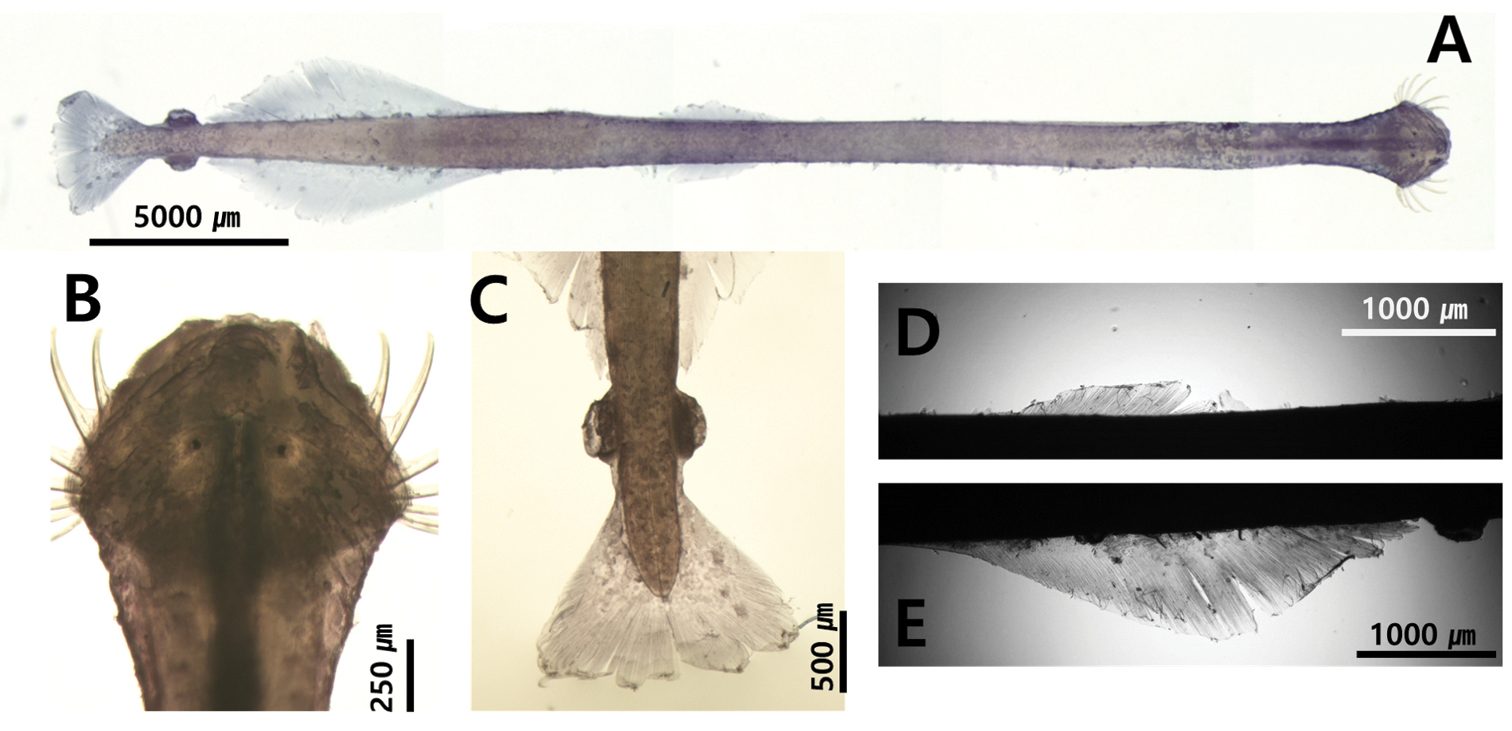
Monoplacophora is a canonical lineage that does not occur in Brazil.
National endemic families in New World: Tantulidae (1/1, Heterobranchia, Saint Vicente y Granadinas) and Globocornidae (1/1, Caenogastropoda, Cuba).
TROGLOBICS
There are at least 491 known species of troglobic Gastropoda: 368 in Europe, 16 in Africa, 22 in former USSR, 1 in Iran, two in China, one in New Guinea, four in Australia, one in New Zealand, 39 in USA/Canada, 9 in Mexico and 28 in Brazil. USA has (6:17/)39 spp. of troglobic Gastropoda in Basommatophora (2:2/2), Stylommatophora (2:2/4, in Helicodiscus and Glyphyalinia), and Littorinimorpha (2:13/33). Overall, Brazil has certainly (9:9/)28 spp. of troglobic Gastropoda.
Bivalvia includes five described troglobic species worldwide: three confirmed Euglesa (Euglesidae) from Eastern Europe — in Russia (1), Abkhazia (1), and Georgia (1); Congeria kusceri Bole 1962 (Dreissenidae), known only from Slovenia to SW Bosnia and S Dalmatia; and Eupera troglobia Simone & R.L.Ferreira 2022 (Sphaeriidae), restricted to W Tocantins state in central Brazil.
APLACOPHORA
Brazil surprasses Mexico in number of species (16 ✕ 1).
POLYPLACOPHORA
Mexico surprasses Brazil in number of species (159 ✕ 37).
MONOPLACOPHORA
A relictual group never recorded from the coast of Brazil. (4:7/)31 spp. worldwide, two families in New World. Largest diversities are New Zealand (2:2/6), Mexico (2:4/4), Azores region (1:1/4) and Peru (1:1/4).
CEPHALOPODA
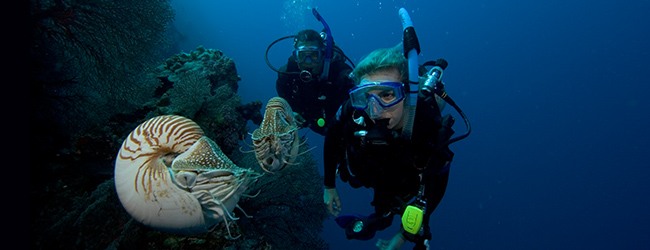
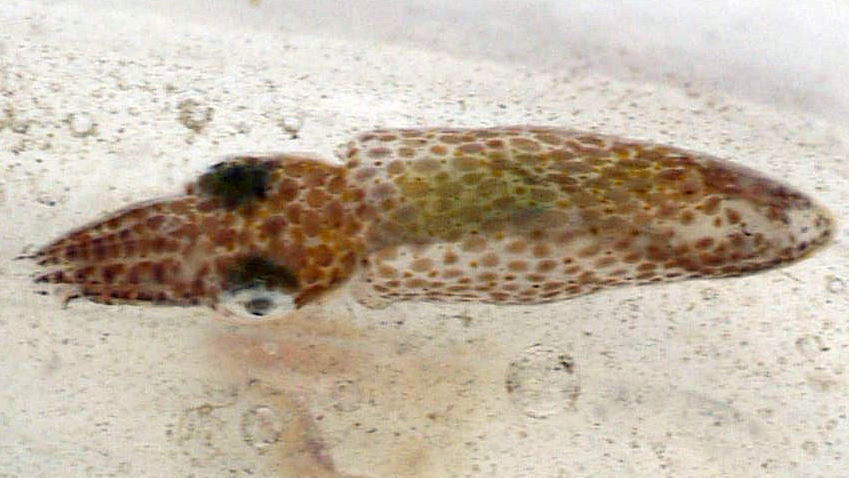
Mexico surprasses Brazil in number of species (111 ✕ 92). All clades occur in Brazilin coasts except Nautiloideae (2/11, Myanmar to NW Australia, and from Philippines to Samoa, MAP 1 | MAP 2) and Idiosepida (a single family, Idiosepiidae, 4/12, from southern Africa to Japan, southern up to NE Australia).
BIVALVIA
Mexico surprasses Brazil in marine (1,202 ✕ 522) and Brazil surprasses Mexico in freshwater (116 ✕ 97) species of Bivalvia. Neartic region includes only three native families of freshwater bivalves, with 343 spp., the largest amount by region, 295 in Unionidae. Neotropical region includes (8:)249 spp., the 3rd amount by region (Graf, American Mallacology Bulletin, 2013). Gulf of Mexico includes (75:314/)640 spp. of Bivalvia in 17 orders (Mozo et al., Bulletin of Marine Science, 2024).
Condylonucula maya D.R. Moore, 1977 (Protobranchia, Nuculidae) is believed to be the smallest living bivalve (500 μm), found in shallow waters in the Caribbean Sea off the coast of Mexico. Grippina coronata Machado & Passos, 2015 (Euheterodonta, Spheniopsidae) endemic to E coast of Brazil, is the smallest carnivorous bivalve known, with c. 1mm diameter (Morton, B. et al., Journal of Molluscan Studies, 2015).
GASTROPODA
Mexico surprasses Brazil in marine (3,127 ✕ 1,837), freshwater (193 ✕ 177) and terrestrial (1,184 ✕ 715) species of Gastropoda. Angustopila psammion Páll-Gergely, Vermeulen & Anker, 2022 (Hypselostomatidae) from N Laos is tiniest land snail ever known, with a shell width of 0.6–0.68 mm and a shell height of 0.46–0.57 mm (Páll-Gergely, B. et al., Contributions to Zoology, 2022). Megalobulimus popelairianus Nyst, 1845 (Strophocheilidae), from Brazil and Ecuador, has the largest eggs of all land gastropods: 51 ✕ 35 mm (Wikipedia). Possibly 317 off 327 spp. of Amastridae, a Hawaiian family of terrestrial snails, are extincts today (Régnier, Conservation Biology, 2015). All bioluminous Mollusca presently known are marine organisms, except the gastropods Latia neritoides J.E. Gray, 1850 (Latiidae), a freshwater from northern island of New Zealand, and Quantula striata Gray, 1834 (Dyakiidae), a terrestial snail from Singapore, Malaysia, Cambodia, Philippines, Fiji, and some islands in the Rhio Archipelago (Shimomura & Yampolsky, BOOK, 2019).
By Ramos et al. (Frontiers in Sustainable Food Systems, 2021), terrestrial slugs are not a monophyletic group, but a case of convergent evolution in which the slug form evolved from different lineages of land snails that gradually lost their shell, through a process called limacization. The slug body form is present in the Stylommatophora (land snails and slugs) and Systellommatophora (aquatic and terrestrial slugs) clades of the Eupulmonata; only two families are native to the New World: Veronicellidae (common in tropical areas around the world) and Philomycidae (native from Asia and North America). Thomé (Biociências, 1993) reviewed the native Veronicellidae in the Americas, mentioning 144 species names classified in 18 genera, 10 in Brazil (none endemic), 8 not recorded in, following Oliveira (Dissertation, 2019): Colosius (5, Colombia to Peru and Hispaniola), Diplosolenodes (6, USA, Caribbean, Nicaragua, Guyana, Venezuela and Ecuador), Forcartulus (1, Venezuela and Colombia), Heterovaginia (1, Peru), Leydiula (10, USA to Colombia), Microveronicella (1, Colombia and Ecuador), Montivaginullus (1, Peru) and Veronicella (6, Caribbean, Ecuador and Chile). Despite not having endemic genera, Brazil has the greatest diversity of genera in the New World in this family. In Salvador, R.B. et al. (Journal of Conchology, 2024), Veronicella occurs natively in Brazil.
The family Rathouisiidae, sister to Veronicellidae, comprises slugs native to SE Asia and Australia (Wikipedia). However, the iNaturalist platform lists three possibly native records in the New World: two in SE USA (SEE | SEE) and one in caves near Montes Claros municipality, SE Brazil (SEE). Limax cinereoniger Wolf, 1803 (Limacidae), known from Spain to Russia, is the largest land slug species in the world (Wikipedia).
SCAPHOPODA
Brazil surprasses Mexico in number of species (43 ✕ 40).


ANNELIDA
Among the 97 non-Clitellata families recognized here, 18 do not occur in Brazil: Laetmonectidae (1/1, unplaced), Spintheridae (1/11, unplaced), Hartmaniellidae (1/3, Eunicida), Ichthyotomidae (1/1, Eunicida), Antonbruuniidae (1/3, Phyllodocida), Iphionidae (4/23, Phyllodocida), Pontodoridae (1/1, Phyllodocida), Yndolaciidae (3/3, Phyllodocida), Dinophilidae (3/19, Protodriliformea), Apharyngtidae (1/1, Orbiniida), Parergodrilidae (2/12, Orbiniida), Alvinellidae (2/12, Cirratuliformea), Uncispionidae (3/8, Spionida), Psammodrilidae (1/8, Spionida), Echiuridae (1/4, Echiura), Ikedidae (1/2, Echiura), Urechidae (1/4, Echiura), and Hrabeiellidae (1/2, in Hrabeiella). Within these groups, few members warrant specific mention.
On the other hand, the number of Clitellata families without records from Brazil is striking: 37! 19 of these families occur in New World but are unknown as native in Brazil: Randiellidae (4, 1 in Oregon, 3 from east coast of USA and Caribbean and New Caledonia), Parvidrilidae (1/11, SE USA and Europe), Phreodrilidae, Haplotaxoididae (1/5, endemic to W USA, freshwater), Pelodrilidae, Komarekionidae (mid-Atlantic states west to southern Illinois, USA), Lutodrilidae (E USA), Megascolecidae (Asia, Australia, New Zealand, Canada to California), Sparganophilidae (North America), Lumbricidae, Tumakidae (1/3, Colombia), Lumbriculidae (Holarctic with extension into W Asia), Acanthobdellidae (broadly across northern Eurasia and Alaska), Americobdellidae (endemic to Chile), Xerobdellidae (Mesobdella in Chile, Xerobdella in Europe, and Diestecostoma in Central and northern South America), Erpobdellidae (N Canada to S Mexico and Eurasia), Haemopidae (swaths of continental Europe and the British Isles to central Asia, and from Canada and USA to C Mexico), Praobdellidae (Africa to Asia, Mexico, America Central and Peru), and Branchibdellidae (Canada to SE Mexico, Nicaragua, Costa Rica, Euro-Mediterranean, E Asia).
Among all Annelida, only three branching species with a highly modified body-pattern are known until now, all in Syllidae within Phyllodocida: Syllis ramosa McIntosh, 1879 (250 m near the Philippines and at a depth of 170 m in the Arafura Sea), Ramisyllis multicaudata Glasby et al., 2012 (inside both white and purple sponges of the genus Petrosia in Darwin Harbour, Australia), and R. kingghidorahi Aguado, Ponz-Segrelles, Glasby, Ribeiro, Jimi & Miura, 2022, from Shukunegi Point, at the southern tip of Sado Island, Japan. All have unusual ramified bodies with one head and multiple anuses, and live inside the canals of host sponges (Species New to Science).
The highest record of a freshwater non-Clitellata Annelida in world belongs Lycastoides alticola Johnson 1903 from Mexico, found at 2,150 m a.s.l. in Mexico (Conde-Vela, Subterranean Biology, 2017).
Parergodrilidae includes 12 spp. (Purschke & Fursman, Zoomorphology, 2005): Parergodrilus heideri Reisinger 1925 (terrestrial, living in the zone of leaf litter and has so far only been found in Europe) and 11 Stygocapitella, in North America, E Asia, Europe, South Africa, Australia, and New Zealand (MA Meca et al., Diversity, 2021).
In Hirudina, Mexican families never collected in Brazil: Erpobdellidae, Haemopidae, Praobdellidae, and Xerobdellidae. In Acanthobdellida are two known species, Acanthobdella peledina Grube, 1851 (broadly across northern Eurasia and Alaska) and Paracanthobdella livanowi Epstein 1966 (Russian Far East), each placed in their own monotypic family: Acanthobdellidae and Paracanthobdellidae, respectively. Branchibdellida has (22/)140 spp. in a single family, formed by obligate ectosymbionts primarily associated with astacoidean crayfishes, in freshwater habitats Canada to SE Mexico in Veracruz state, also isolated records in Nicaragua and Costa Rica, Euro-Mediterranean, and E Asia. (6/)17 spp. in Mexico.
The Alvinellidae are a family of worms that are endemic to deep-sea hydrothermal vents in the Pacific and Indian Oceans (Molecular Phylogenetics and Evolution, 2024). Alvinella pompejana Desbruyères and Laubier 1980 (Alvinellidae) is the most heat-tolerant complex organism known on Earth, found near hydrothermal vents deep in Galapagos vents, it thrives at a temperature of 50 °C; this is near the theoretical limit for eukaryotes, whose mitochondria disintegrate at about 55 °C (Wikipedia).
Vestimentifera has six genera endemic to hydrothermal vents in the Pacific: Riftia, Ridgeia, Tevnia, Oasisia, Alaysia, and Arcovestia, and four widely: Lamellibrachia, Escarpia, Paraescarpia and Seepiophila (Molecular Phylogenetics and Evolution, 2023).
Only 13 of the approximately 600 known species of marine and estuarine Clitellata have been recorded from Brazil, and 8 of them are currently known only from their type localities (Prantoni et al., Marine Biodiversity, 2013), in Naididae (5/6), Enchytraeidae (3/5), Capilloventridae (1, Capilloventer atlanticus Harman & Loden, 1984), and Megascolecidae (Pontodrilus litoralis Grube, 1855). In addition to being the aquatic oligochaete with the highest number of records in Brazil, P. litoralis is considered invasive here (Misirlioglu et al., Zootaxa, 2023).
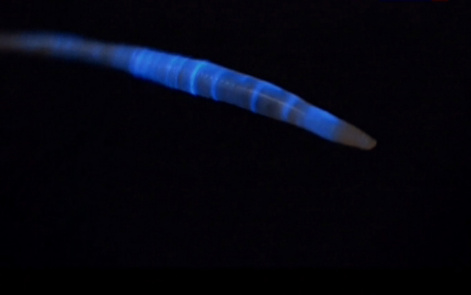
Bioluminescent Clitellata are found among approximately 30 spp. across five families (Shimomura & Yampolsky, Bioluminescence, 2019): Acanthodrilidae, Megascolecidae, Octochaetidae, Lumbricidae (all known cases of bioluminescence are in Eisenia, and the phenomenon may be restricted to just two or three species, including E. fetida Savigny, 1826 and E. lucens Waga, 1857), and Enchytraeidae (in Fridericia and Michaelseniella, which typically inhabit soils rich in organic matter).
TROGLOBICS
174 known troglobic Annelida: 159 in Clitellata in Guinea (2), Morocco (1), Europe (100), Oman (2), Iran (1), Japan (2), China (2), New Zealand (2), Bermuda (1), Cuba (5), Haiti (2), USA/Canada (22), Mexico (4), Venezuela (1), Ecuador (2) and Brazil (10); one in Sabellida (Marifugia cavatica Absolon & Hrabe 1930, Serpulidae, from Dinaric Karst in NW Italy, Slovenia, Croatia, and Bosnia & Hercegovina); and 14 in Nemanereis (SE Mexico, Cuba, Hispaniola, Saint Vicent, Caribbean, Canary Island, Oman, Socotra, W Australia, Papua New Guinea, New Zealand and Fiji).
National endemic families in New World: all in Clitellata: Arecoidae (1/1, Brazil), Komarekionidae (1/1, USA), Lutodrilidae (1/1, USA), Tiguassuidae (1/1, Brazil), and Tumakidae (1/3, Colombia).


BRACHIOPODA
Linguliformea includes two New World genera never collected in Brazil: Glottidia (MAP) and Pelagodiscus (MAP). The single New World genus of Craniiformea (Novocrania) was collected in Brazil. Few accurate data for Rhynchonelliformea. Cooper (Studies In Tropical Oceanography, 1977) lists 53 spp. of Brachiopoda from New Jersey to N Brazil. Gulf of Mexico hosts 26 spp. of Branchipoda (SEE), in Linguliformea (2), Craniiformea (1), and Rhynchonelliformea (23).
Genera of Rhynchonelliformea with confirmed presence in the New World but no records from Brazil (17): Cryptopora (7, North Atlantic from Scandinavia to Morocco, Panama and Caribbean, South Georgia, S Australia and New Zealand, MAP), Abyssorhynchia (1, Hawaii and Pacific coast from Panama to Chile, MAP), Neorhynchia (1, Indonesia to New Zealand, Alaska to Chile and aroud Antarctica, MAP), Lacazella (3, Mediterranean, SE Africa and Caribbean, MAP), Minutella (4, Red Sea, SE Africa, Japan to Borneo and New Zealand, and Caribbean, MAP), Thecidellina (12, Red Sea, SE Africa, Japan to Java and New Zealand, French Polynesia and Caribbean, MAP), Abyssothyris (MAP), Aneboconcha (MAP), Chlidonophora (Wikipedia, in Guyana), Dallithyris (MAP), Fosteria (MAP), Gryphus (MAP), Liothyrella (MAP), Macandrevia (MAP), Magellania (MAP), Melvicallatis (MAP), and Terebratella (MAP).
National endemic families in New World: Bouchardiidae (1/1, Rhynchonellata, Brazil).
BRYOZOA
National endemic families in New World: Polliciporidae (1/1, Gymnolaemata, Chile), Jebramellidae (1/1, Gymnolaemata, Brazil) and Tapajosellidae (1/1, Phylactolaemata, Brazil).
PHORONIDA
No notes.
LORICIFERA
Only Mexico (4/4, Cardoso Neves et al., Frontiers in Marine Scince, 2022), USA (3/9), Faroe Islands (3/5), Atacama trench (2/4, EJT, 2023), France (2/3), Namibia (2/3), SE Australia (2/2), Japan (2/2), northern Atlantic (1/2), and Galapagos (1/2) has more a than a single species in Loricifera. Brazil has a single species, recently described.
KINORRHYNCHA
All clades of Kinorrhyncha occur in Brazil except Xenosomata, accommodating only two genera, Ryuguderes and Campyloderes. The latter genus includes C. vanhoeffeni Zelinka, 1913, appears to be nearly globally distributed, whereas R. iejimaensis Yamasaki, 2016 and R. casarrubiosi Cepeda et al., 2022 are only known from their type localities, respectively, at Okinawa, Japan, and west of Madagascar (Zoologischer Anzeiger, 2024).
Gulf of California in Pacific Mexico includes (2:4/)10 spp. of Kinorhyncha (Cahiers de Biologie Marine, 2015), in Pycnophyidae (Pycnophyes-2 and Kinorhynchus-5) and Echinoderidae (Echinoderes-2 and Fissuroderes-1). Mexican part of Gulf of Mexico includes 24 spp. (Zoologischer Anzeiger, 2024). In summary, Mexico includes 34 spp. of Kinorrhyncha, and Brazil only eight species.


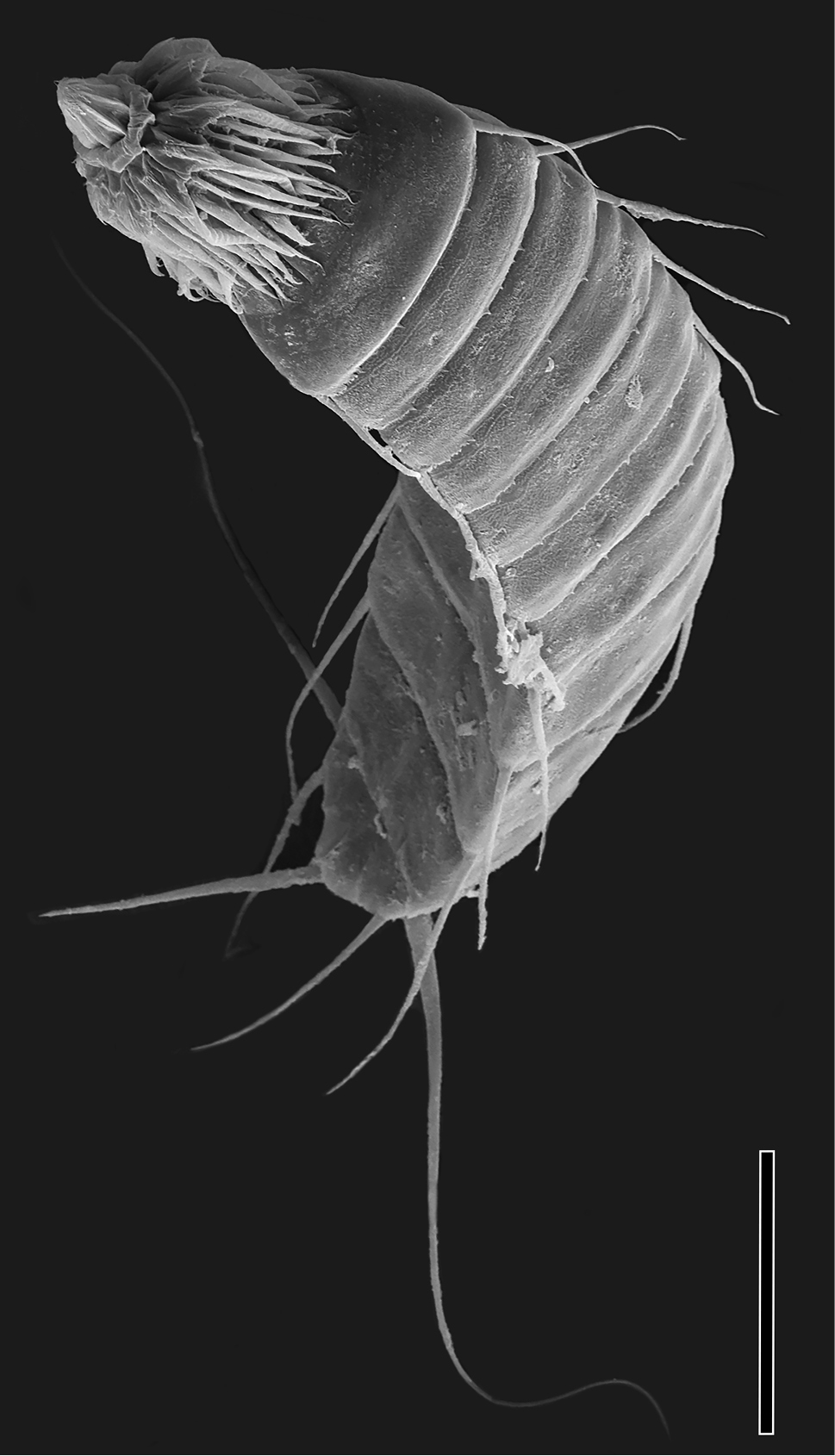


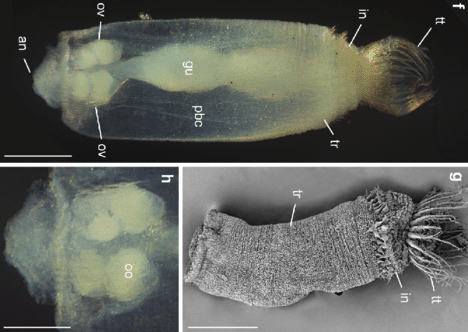
PRIAPULIDA
Small marine group comprising (5:7/)24 spp. across four clades, three of which are successively basal (microscopic and meiofaunal) and one derived, macroscopic clade. Among Macroscopic Priapulida, 7 spp. occur in New World outside Brazil, 4 in northern Hemisphere (Halicryptus higginsi, Halicryptus spinulosus, Priapulopsis bicaudatus and Priapulus caudatus), two in Southern Hemisphere (Priapulopsis australis, Priapulus tuberculatospinosus) and one in Costa Rica (Priapulus abyssorum).
Meiopriapulus
Includes only Meiopriapulus fijiensis Morse, 1981, collected in Adaman islands in Bengal Bay, Fiji islands and Cheju island in South Korea.
Tubiluchus
11 spp. worldwide in a single genus, two in New World: Tubiluchus corallicola (Panama, Curazao, Barbados, Bermuda, Bonaire, Bahamas, Florida) and reports of undetermined specimens in Playa Caletones in NE Cuba.
MACCABEIDAE
A single genus, Maccabeus, with two spp. from SE coast of Cyprus and Andaman Sea at 2,000 m deep



NEMATOMORPHA
Nine genera of both families in South America, all these in Brazil except Gordionus, also without records in Mexico.


NEMATODA
Placentonema gigantissima Gubanov 1951 (Tetrameridae) is potentially the largest nematode worm ever described, with a length of 8.4 metres (28 ft) and a diameter of 2.5 centimetres, discovered in the 1950s around the Kuril Islands, Russia; this species develops its parasitic nature by utilizing nutrients found in the endometrium of female sperm whales and forming as spiriud (small, embroyonated) eggs; it can parasitize not only the placenta, but also the uterus, reproductive tract, mammary glands, or subdermis of the sperm whale.
National endemic families in New World: Berntsenidae (1/2, Chromadorea, USA).
TROGLOBICS
10 troglobic Nematoda was described worldwide: Desmoscolex aquaedulcis Stammer, 1935 (Slovenia), Thalassoalaimus aquaedulcis Schneider, 1940 (Slovenia), Halalaimus stammeri Schneider, 1940 (Slovenia), Hemicycliophora aquatica Loos, 1948 (Belgium), Stenonchulus troglodytes Schneider, 1940 (Slovenia, Austria), Mylonchulus cavensis Schneider, 1940 (Hungary), Chronogaster troglodytes Poinar & Sarbu, 1994 (Romania), one Rhabditida from Colombia, Amphibiocapillaria texensis Moravec & Huffman, 2000 (from Texas, parasitic in Typhlomolge rathbuni Stejneger, Caudata) and Rhabdochona longleyi Moravec & Huffman, 1988 (parasitic on Trogloglanis pattersoni and Satan eurystomus, both Ictaluridae, from the subterranean waters of Texas).
TARDIGRADA
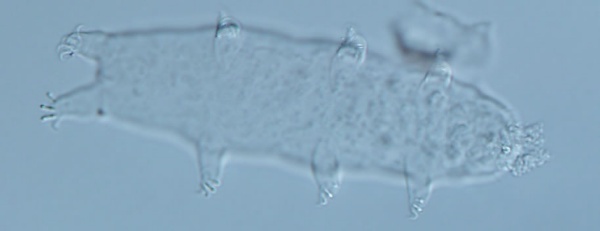
Brazil has the third freshwater diversity in South America (20/61), being surpassed by Argentina (30/111) and Chile (21/63), by Kaczmarek et al. (Zootaxa, 2015). Mexico includes 41 spp. (SEE). Only the family Oreellidae in South America does not occurs in Brazil.
ONYCHOPHORA
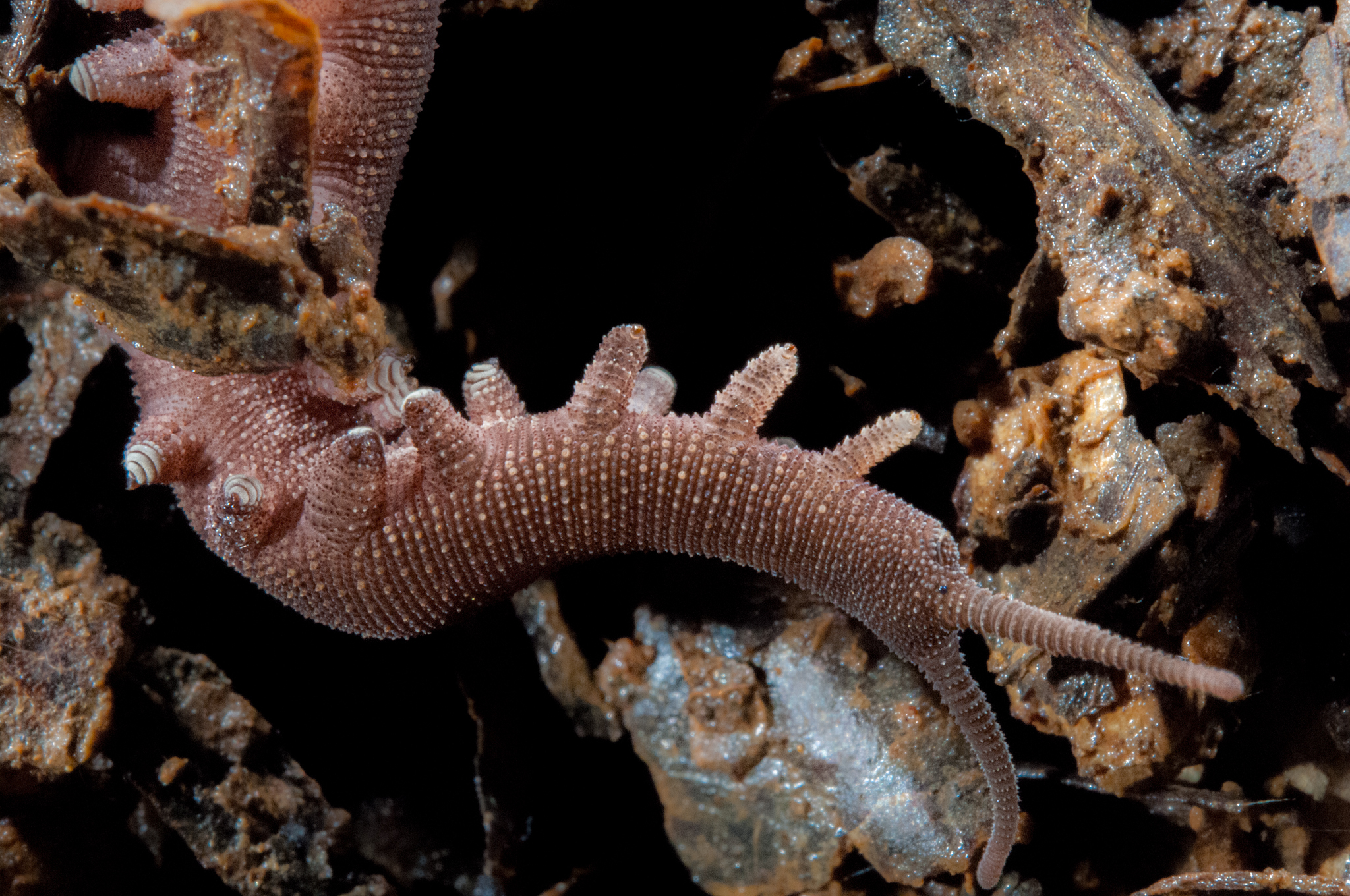
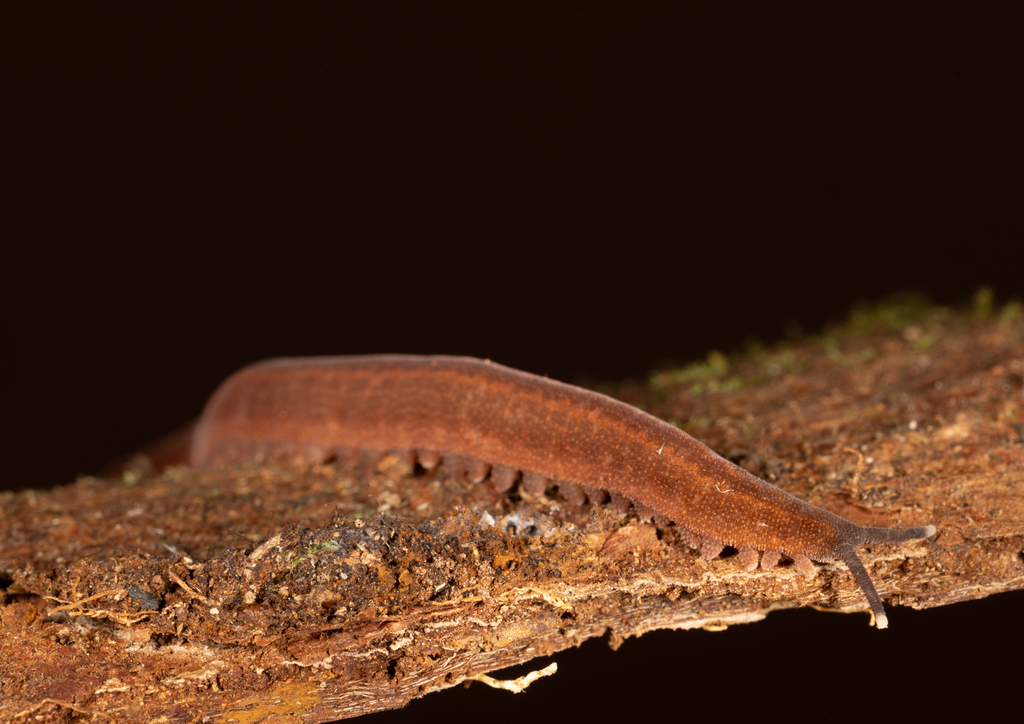
With the currently described species and the above circumscription, the three greatest diversities in the genus among New World countries are, individually, Costa Rica (5), Jamaica (5), Brazil (4), Colombia (3), and Panama (3). For species, the leading countries are Brazil (22), Colombia (12), and Costa Rica (8). Worldwide, only Costa Rica (1), Jamaica (2), Gabon (1), and India (1) has endemic genera in Peripatidae.
TROGLOBICS
Four troglobic Onychophora species are known: Peripatopsis alba Lawrence, 1931 (Peripatopsidae) from South Africa, Speleoperipatus spelaeus Peck, 1975 (Peripatidae) from Jamaica, one additional species in the Galapagos, Ecuador, and one found in caves of the Bodoquena System, Mato Grosso do Sul state, Brazil.



ARTHROPODA
XXXXXXXXXXXX
PYCNOGONIDA
(11:20/)65 spp. in Brazil in 11 of the 12 lineages (exception is Ascorhynchoidea incertae sedis, with 10 genera), (10:19/)58 in Mexico.
ARACHNIDA
Among groups, Solifugae and Schizomida are strongly represented in Mexico and weakly represented in Brazil. Scorpionida reaches its highest levels of diversity in several contexts (overall diversity, endemic families, and troglobitic species) in Mexico, and is moderately represented in Brazil. Ixodida and Ricinulei show a moderate bias toward Mexico. Opilioacarida, Opiliones, and Palpigradi are strongly represented in Brazil. Mesostigmata, Trombidiformes, Sarcoptiformes, Pseudoscorpionida, Araneae, Amblypygi, and Thelyphonida show a tendency toward Brazil. Holothyrida does not occur in Mexico, and Xiphosura does not occur in Brazil.
National endemic families in New World: Antennochelidae (Mesostigmata, 1/1, Costa Rica), Costacaridae (Mesostigmata, 1/1, Mexico), Ferradasiidae (Trombidiformes, 1/1, Argentina), Amoenacaridae (Trombidiformes, 1/3, USA), Amphotrombiidae (Trombidiformes, 1/1, USA), Crotalomorphidae (Trombidiformes, 1/1, USA), Enantioppiidae (Sarcoptiformes, 1/1, Bolivia), Tubulozetidae (Sarcoptiformes, 1/1, Ecuador), Brazilobatidae (Sarcoptiformes, 1/1, Brazil), Elliptochthoniidae (Sarcoptiformes, 1/9, USA), Proteonematalycidae (Sarcoptiformes, 1/1, USA), Otilioleptidae (Opiliones, 1/1, Argentina), Cryptomastridae (Opiliones, 2/4, USA), Typhlochactidae (Scorpionida, 4/10, Mexico), Megahexuridae (Araneae, 1/1, USA), Microhexuridae (Araneae, 1/2, USA) and Trogloraptoridae (Araneae, 1/1, USA).


OPILIOACARIDA
Brazil has the highest known diversity to date in this order, with (4/)18 spp. Mexico has (2/)8 spp. Troglobic in this order worldwide occur only in Thailand and Vietnam.
HOLOTHYRIDA
(3:13/)27 spp. worldwide. Only 4 countries in New World has species in this order, among three genera: Neotrhyrus in Peru (1) and Venezuela (1), Diplothyrus in Brazil (2) and French Guiana (1), and Caribothyrus in Republica Dominicana (1).
IXODIDA
(3:23/)871 spp. worldwide. Nuttalliellidae is monotypic and restricted to Africa. In Brazil there are (2:9/)78 spp. documented. Mexico has (2:10/)100 spp. in this order. Otobius megnini Dugès, 1883, is an economically important soft tick as it parasitizes livestock mostly cattle, goats, sheep, and horses and also infests humans. Its original center of distribution is considered to be the SW North America from where it spread to Central and South America, and considered non-native to Brazil.
Some sources lists Antricola silvai Cerny, 1967 from Curazao maybe a troglobic. If confirmed, it will be the only record of an Ixodida troglobic worldwide.
MESOSTIGMATA
Brazil has (52:217/)997 spp. Mexico has (50:158/)507 spp. Three troglobic undescribed species in Brazil, collected in Minas Gerais and Bahia states. In USA occur 5 spp. of troglobic Mesostigmata in Laelapidae (1/1, Kentucky), Macrochelidae (1/2, Kentucky) and Veigaiidae (1/2, Indiana).
TROMBIDIFORMES
Brazil has (73:435/)1,435 spp. Mexico has (78:328/)1,208 spp. Mexico surprasses Brazil only in number of families. Proterorhagidiidae has a single relictual troglobic, Proterorhagia oztotloica Lindquist & Palacios-Vargas, 1991 from Mexico. One troglobic Rhagidiidae also occurs in Mexico. In Brazil occur a single described and four undescribed species in Pará [PA/2], Bahia [BA/1] and Minas Gerais [MG/4] states. Venezuela has eight troglobic Hydracnidia in three families. One troglobic occur in Africa, two in America Central and one in Bolivia. In USA occur 25 troglobic spp. in 7 families: Aturidae (1/1, Florida and Texas), Bogatiidae (1/1, Illinois), Cocceupodidae (1/1, Kansas), Hydryphantidae (1/1, Texas), Hygrobatidae (1/3), Limnesiidae (1/1, Texas), Limnohalacaridae (2/3, all in Indiana), Nudomideopsidae (1/1, Texas), and Rhagidiidae (7/13, widely distributed).
SARCOPTIFORMES
Brazil has (139:456/)1,118 spp. Mexico has (154:402/)801 spp. in this order (Mexico surprasses Brazil in families, more 15). Brazil has two undescribes species in Mato Grosso do Sul [MS/1] and Bahia [BA/3] states. In USA occur two species of troglobic Sarcoptiformes, both from Kentucky: Belba bulbipedata (Packard, 1888) in Belbidae, and Galumna alata (Hermann, 1804) in Galumnidae.
PSEUDOSCORPIONA
USA (433), Spain (286), Italy (276), China (257), Australia (245), Brazil (189), Mexico (175), South Africa (166) and India (164) leads worldwide. Mexican families Neobisiidae, Menthidae and Stemophoridae do not occur in Brazil. A total of 440 troglobic Pseudoscorpiones species are known worldwide in 15 families, being (5:)40 in Mexico and (6:)49 in Brazil. USA has (8:)153 troglobic species, in Bochicidae (1/1, Texas), Chernetidae (6/12), Chthoniidae (7/97, mainly in Alabama), Ideoroncidae (1/1, Arizona), Larcidae (1/5, California, Arizona and Texas), Neobisiidae (8/27, mainly in Texas), Pseudogarypidae (1/3, Arizona and California) and Syarinidae (2/7).
OPILIONES
Brazil (19:304/1,008) has the highest species diversity worldwide. Mexico has 260 spp. In Cyphophthalmi the unique New World troglobic species is Shearogovea mexasca Shear, 1977 from Mexico (Breviora, 2011). Eupnoi no has true troglobic. Dyspnoi (Palpatores) has only one troglobic species in New World, Ortholasma sbordonii Šilhavý, 1973, also from in Mexico. All remaining troglobitc opiliones in New World belongs Laniatores. Mexico has (4:)17 troglobics, Brazil has (8:)43 spp., and USA has (7:12/)46 spp. in Cladonychiidae (1/2, Idaho), Paranonychidae (1/7), Phalangodidae (6/26, mainly Texas and California), Sabaconidae (1/3), Stygnopsidae (1/2, Texas), Taracidae (1/5, California, Oregon and Nevada), and Travuniidae (1/1, Washington).
XIPHOSURA
4 spp. in a single family, Limulidae: Carcinoscorpius rotundicauda Latreille, 1802 (E India to S Vietnam, SE China, and some places in Java, Borneo, Sumatra, SW New Guinea and the Philippines), Limulus polyphemus L., 1758 (Atlantic coast of USA from Maine to Louisiana, and Yucatan Peninsula in Mexico), Tachypleus gigas O. F. Müller, 1785 (S India to E Vietnam, and some places in Java, Borneo, Sumatra, Sulawesi and the Philippines) and T. tridentatus Leach, 1819 (S India to W Thailand, Cingapura, S Vietnam to S Japan and Korea, and Java, Borneo and Palawan in the Philippines).
PALPIGRADA
Brazil has the highest species diversity worldwide (1:3/24). Only three genera are absent in Brazil: Koenenioides (Eukoeneniidae, 8, E Africa to SE Asia and China), Prokoenenia (7, Prokoeneniidae, Chile-1, China-1, Thailand-1, USA-2 and Indonesia-2), and Triadokoenenia (Prokoeneniidae, monotypic endemic to Madagascar).
Described troglobic Palpigrada occur in Europe (23), Thailand (4), Cuba (1), Indonesia (2), and Brazil (30). All genera in this order except Leptokoenenia have troglobic. In New World, troglobic Palpigrada occur only in Brazil (two Allokoenenia, 25 Eukoenenia, three undeterminate genus) and Cuba, with possibly undescribed species in California and Mexico.
SOLIFUGAE
(12:144/)1,223 spp. worldwide, in two groups: Boreosolifugae (5 families, only Eremobatidae in New World) and Australosolifugae (7 families, Ammotrechida, Mummuciidae and Daesiidae in New World). No troglobic worldwide.
(2:6/)14 spp. in Brazil, ranking only 32nd in global diversity. USA (176), South Africa (163), Namibia (128), Mexico (83), Iran (70), Israel (65), Somalia (54) and Ethiopia (52) have the highest species diversity worldwide.
Daesiidae (77/129) ‣ three genera in New World, Ammotrechelis (1, Chile), Syndaesia and Valdesia (both monotipic endemic to Argentina).
Eremobatidae (8/214) ‣ from NW Canada to Honduras. All genera in USA (one endemic), seven of these extend to Mexico, and two reach Canada. Eremobates (97) is the most diverse genus of this family.
Mummuciidae (8/30, exclusvely from South America) ‣ four genera are national endemic in Argentina (2), Peru (1, Vempironiella aguilari Botero-Trujillo, 2016, endemic to coast of Lima regin, Peru, is the smallest solifugae worldwide, Trujillo, Journal of Arachnology, 2016) and Paraguay (1), and four are widely distributed: Mummucina (6, Ecuador, Peru, Chile), Uspallata (1, from Argentina, Chile, Peru and Brazil), Mummucia (6, Brazil/2, Peru, Bolivia, Argentina, Paraguay, Chile, Uruguay) and Gaucha (13, Brazil/10, Argentina, Bolivia, Uruguay). Brazil has (4/)13 spp. and Argentina has (5/)8 spp.
Ammotrechidae (22/83, exclusive New World) ‣ five subfamilies (three of these subfamilies contain only a single genus endemic to Argentina) and 17 genera, all in South America, 10 national endemic (Argentina-6, Chile-2, Ecuador-1, Peru-1) and 7 are widely distributed. Widely genera includes Saronomus (1, Colombia and Venezuela), Eutrecha (3, Colombia and Venezuela), Xenotrecha (1, Brazil and Venezuela), Pseudocleobis (21, Peru, Bolivia, Chile and Argentina), Ammotrecha (10, USA to Costa Rica, Brazil and Chile one endemic each), Ammotrechella (15, USA to Panama, Caribbean, one extending to Ecuador and Venezuela) and Ammotrechula (USA, Mexico, America Central, one in Colombia and Ecuador). Argentina has (7/)24 spp., followed by Chile (4/8), Colombia (4/5), Venezuela (4/4), Peru (3/9), Ecuador (3/3), Brazil (2/2) and Bolivia (1/4).
RICINULEI
Mexico (1/21), Brazil (1/13), Cuba (1/12) and Colombia (1/10) have the highest species diversity worldwide. Ricinoides (16, W Africa) and Pseudocellus (41, Texas to Panama and Caribbean, mainly in Mexico and Cuba) do not occur in Brazil. Molecular and morphological data suggest the existence of 3 to 5 lineages consistent with genus level in Ricinulei: Ricinoides (basal, Africa), rogue Pseudocellus (Mexico) + Cryptocellus, and Cryptocellus magnus group (Andes) + Pseudocellus s.s. However, the new lineages suggested as valid genera have not yet been formalized.
Troglobic in Pseudocellus have been described from Cuba (1), Belize (1), Mexico (11) and Venezuela (1).
SCORPIONIDA
All countries worldwide that harbor troglobic scorpions have only 1-2 species, except Australia (4), Mexico (15, in Diplocentridae-1/4, Euscorpiidae-1/2, Typhlochactidae-4/7, Vaejovidae-2/3) and Brazil (3, Buthidae, all in Troglorhopalurus from Bahia state).
10 families occur only in Old World. Five occur only in North America up to Guatemala zone: Anuroctonidae (1/1, USA to NW Mexico), Hadruridae (2/9, USA and N Mexico), Superstitioniidae (1/1, USA and N Mexico), Typhlochactidae (4/11, E & C Mexico) and Vaejovidae (25/236, SW Canada to Guatemala). Five families are endemic to South America or widely in southern Hemisphere: Anatheridae (7/128, mainly distributed in South America, also in Asia and Africa), Caraboctonidae (2/26, Galapagos, mainland Ecuador, Peru and Chile), Hormuridae (11/115, Caribbean to South America, SE Asia to Australia), Troglotayosicidae (1/6, S Colombia and Ecuador) and Bothriuridae (17/166, mainly Ecuador to Argentina and Brazil, also Lisposoma and Brandbergia in Namibia, and Cercophonia in Australia). Four families are widely distributed worldwide: Buthidae (100/1,370, worldwide), Chactidae (14/209, North to South America, Nullibrotheas allenii Wood, 1863 is the only representative in the Nearctic region), Euscorpiidae (6/109, disjunct in Mexico, Guatemala and Mediterranean region) and Diplocentridae (10/140, Mexico, SW USA, Belize, Costa Rica, El Salvador, Guatemala, Honduras, Nicaragua, Colombia, Venezuela, Greater & Lesser Antilles, Egypt, Iran, Israel, Jordan, Lebanon, Oman, Saudi Arabia, Syria, Yemen).
Three families of scorpions occur in South America but have no representatives in Brazil: Troglotayosicidae (exclusive), Caraboctonidae (exclusive) and Diplocentridae (in South America represented by a restricted genus, Tarsoporosus, with 5 spp. in Colombia and Venezuela). (5:15/)82 spp. in Colombia.
Mexico has (9:38/)281 spp. in Buthidae (2/44), Hadruridae (2/9, in Mexico all genera and species), Chactidae (1/1), Diplocentridae (3/58), Euscorpiidae (3/8), Superstitioniidae (1/1), Anuroctonidae (1/1), Typhlochactidae (4/11) and Vaejovidae (21/149).
Brazilian yellow scorpion Tityus serrulatus Lutz & Mello, 1922 (Buthidae), widely distributed but endemic to country, is one of most poisonous in the world, and the worst in the New World (Fatal Stingers | Planet Deadly — details in Cologna et al, Protein & Peptide Letters, 2009). Microtityus adriki Moreno-González, Bertani & Carvalho, 2024 (Buthidae), endemic to Roraima state, is the smallest scorpion of Brazil, mensuring 12.39-19.47 mm (Moreno-González et al., Zoosystema, 2024). Tityus achilles Laborieux, endemic to C Colombia (Cundiramarca), 2024 in the first toxungen-spraying scorpion in South America (Laboriuex, ZJLS, 2024).
ARANEAE
Worldwide highest diversities are China (5,476), Australia (4,034), USA (3,558), Brazil (73:659/3,248), Russia (2,497), Mexico (66:534/2,295) and South Africa (2,253). There are three maing groups of spiders: Mesothelae has a single family, Liphistiidae, with (8/)194 spp. from Japan to Sumatra, and two clades widely worldwide. 97 families in New World.
Mygalomorpha has 32 families, 13 in Brazil (highest family-diversity in New World).
Araneomorpha has 106 families, 66 in Brazil. Mexico has 61 families and USA has 60 among this clade. Among New World families, outsiders are Argyronetidae (cosmopolitan except South America and tropical Africa), Cicurinidae (northern Hemisphere to Mexico and Vietnam), Pimoidae (North America, Europe and Asia), Lathyidae (worldwide except South America, Australasia and Oceania), Liocranidae (Canada to Peru, Argentina, Old World), Phrurolithidae (Canada to Mexico, Europe to Australia), Hypochiidae (North America, Mexico and E Asia), Homalonychidae (USA, Mexico), Trogloraptoridae (USA), Myrmecicultoridae (USA, Mexico), Archoleptonetidae (USA, Mexico, Guatemala, Panama), Leptonetidae (USA to Panama, Mediterranean region, E Asia), Plectreuridae (USA to America Central and Cuba), Cyatholipidae (Africa, Madagascar and New Zealand, Jamaica), Cybaeidae (northern Hemisphere, Sumatra, Colombia, Venezuela and Peru), Austrochilidae (Chile, Argentina and Tasmania), Malkaridae (Australia, Chile and Argentina), Mecysmaucheniidae (New Zealand, Chile and Argentina), and Physoglenidae (Australia, Chile).
Among Theraphosidae (163/1071), notable centers of diversity include Brazil (47/202), Mexico (17/99), and Colombia (22/43). In Mexico, all species belong to Theraphosinae, except for Psalmopoeus victori Mendoza, 2014. The country hosts the two largest national endemic genera: Hemirrhagus (27) and Bonnetina (16). USA has 29 species, all in the genus Aphonopelma.
Six subfamilies are unknown from the New World and five occur in New World, all in Brazil: Psalmopoeinae (5/32 — all genera in Brazil, none endemic), Schismatothelinae (5/33 — 3 genera in Brazil, Sickius endemic, two from Panama to Peru and T.Tobago), Ischnocolinae (17/108 — five genera exclusively in Old World, 12 in tropical America, 5 in Brazil, with the highest generic diversity, none endemic | national or locally endemic genera in India/2, Seychelles/1, Belize/1 and Hispaniola/1), Aviculariinae (7/31, all genera in Brazil except Antillena from Republica Dominicana, being four endemic) and Theraphosinae (43/553, 26 genera in Brazil, highest generic-diversity — Brazil e Mexico 7 endemic genera each).
Atrax robustus complex (3, Atracidae) are considered among the most dangerously venomous spiders for humans (Novataxa). Theraphosa blondi Latreille, 1804 is found in northern South America, it is the largest spider in the world by mass (175 g) and body length (up to 13 cm), and second to the Heteropoda maxima Jäger, 2001 (Sparassidae, endemic to Laos) by leg span (Wikipedia).
Argyroneta aquatica (Clerck, 1758) is the only known species of spider that spends almost all its life underwater, including resting, catching and eating prey, mating, egg laying, and overwintering. It only briefly surfaces to replenish its oxygen supply and occasionally will bring prey to the surface. It is native to freshwater habitats in Europe and Asia (Wikipedia).
705 troglobic species worldwide in 48 families. USA has (8:23/)121 spp. in Dictynidae (52, all in Cicurina from Texas except one in Alabama), Leptonetidae (4-5/25, mainly in Texas), Linyphiidae (9/15, widely distributed), Lycosidae (2/2, both in Hawaii), Nesticidae (2/21, mainly in Tenessee and Texas), Ochyroceratidae (2/2, California and Hawaii), Tengellidae (2/3), and Theridiidae (1/1, Arizona). Colombia includes three troglobic spiders (in three families, Pisauridae without Brazilian troglobic). Brazil has (16:)81 troglobic species in at least 21 genera, and Mexico has (11:)59 spp. Among Theraphosidae, troglobitc species includes Orphnaecus pellitus Simon, 1892 from Philippines, six Hemirrhagus from Mexico, and Tmesiphantes hypogaeus Bertani, Bichuette & Pedroso, 2013 from Brazil.
AMBLYPYGI
(5:18/)280 spp. worldwide, only Charontidae (1/7, SE Asia and N Australia) absent in New World. Brazil (4/51) and Mexico (3/30) have the highest species diversity worldwide. Paracharontidae and Phrynichidae have their only New World representatives in Colombia and Brazil, respectively. Brazil leads worldwide in Charinidae diversity. Phrynidae has (6/)86 spp. in Acanthophrynus (1, Mexico and USA), Heterophrynus (19, N & C South America, six in Brazil), Paraphrynus (22, USA to Ecuador, mainly in Mexico, with new undescribeds species in SW USA and NW Mexico) and Phrynus (42, USA to northern South America, one in Brazil, one also in Africa).
Troglobic in Amblypygi (28), are cited in four families, three in New World: Charinidae, with Charinus in New World, including all 11 Brazilian troglobic and two in Venezuela , without troglobic in Mexico; Paracharontidae, with Jorottui, a monogeneric troglobic endemic to N Colombia; and Phrynidae, with true troglobic in Mexico (11), Cuba (1) and Colombia. No troglobic Amblypygi occur in USA.
SCHIZOMIDA
Australia (74), Mexico (16/60), Cuba (14/57) and Brazil (6/19, 3 endemic genera) have the highest species diversity worldwide. Protoschizomidae has (2/)16 spp. restricted from Mexico (all species) and southern USA. Mexico includes 12 endemic genera in Hubbardiidae.
Both two families of this order has troglobic. Hubbardiidae has troglobic known from caves in Cuba, Jamaica, Belize, Mexico (14), California (Hubbardia shoshonensis Briggs & Hom, 1972, USA), Ecuador, Australia, and Brazil (a single undescribed spcies from Pará state). All 10 spp. of Protoschizomidae are troglobic, nine in Mexico and Agastoschizomus texanus Monjarez-Ruedas et al., 2016 in Texas, USA.
THELYPHONIDA/UROPIGY
Brazil and Guatemala lead in the diversity of genera in the New World (3, in Brazil two endemic genera) — however, Mexico (which has only Mastigoproctus) leads in number of species (10). No confirmed troglobic were reported in this order, but Typopeltis magnificus Haupt, 2004 possibly troglobic from Laos, and accepted here.
CHILOPODA
5 orders, 4 in New World. In Scutigeromorpha, the only relevant Brazilian disadvantage is a Peruvian endemic species in Pselliodidae (Sphendononema chagualensis Kraus, 1957), known only from the type collection from the Marañón Valley in Peru.
Mexican advantages in Scolopendromorpha include the presence of Plutoniumidae (2/7, North America, S Europe, and China, Theatops posticus Say, 1821), a family unknown from Brazil. Despite being quite popular, the largest chilopod worldwide does not occur in Brazil: Scolopendra gigantea Linnaeus, 1758 is native to northern Colombia, Venezuela, Trinidad, Isla Margarita, Curaçao, and Aruba.
In Lithobiomorpha, Lithobiidae has no described species in Brazil and comprises (25/)58 spp. in Mexico. In Henicopidae, New World genera include Pleotarsobius (1, Hawaii), Speleopsobius (1, USA), Buethobius (5, USA), Yobius (1, USA), Zygethobius (5, North America), Analamyctes (2, Argentina), Catanopsobius (1, Chile), Anopsobius (11, Argentina, Chile, South Africa, Australia, New Zealand), Paralamyctes (Australia, New Zealand, southern South America, India, Madagascar, and South Africa), and Lamyctes (all continents except Antarctica and many oceanic islands).
In Geophilomorpha, among the six New World families and considering their diversity in the Americas, only Mexico has more genera in Schendylidae (8 ✕ 4), and Mexico and Chile in Geophilidae (Mexico 10 ✕ 9, Chile 17 ✕ 9). In Mecistocephalidae, only one genus does not occur in Brazil (Tygarrup in Guyana). In addition, within America Latina, the families Gonibregmatidae (3/5) and Himantariidae (6/9) occur exclusively in Mexico, with the exception of Arcophilus gracillimus Verhoeff, 1938 from Bolivia in the latter. Mexico has 4 more species in Geophilidae.
TROGLOBICS
55 troglobic occur in Europe (50 Lithobiidae, Cryptopidae in Spain and Italy, and Geophilidae in France and Croatia), 4 in USA (in Lithobiomorpha and Cryptopidae), (2:)5 in Mexico (two Lithobiidae, 3 in Newportia), two in Africa (Lithobiomorpha and Scolopendromorpha one each), China, Panama and Colombia one each, and 23 in Brazil (13 Scolopendromorpha, 7 Geophilomorpha, two Lithobiomorpha, one Scutigeromorpha). All six families with troglobic species in Chilopoda has species in Brazilian caves except Balophilidae.
PAUROPODA
Of the 8 families present in the New World, four do not occur in Brazil: Amphipauropodidae (known from Canada), Brachypauropodidae (known from the USA), Eurypauropodidae (known from the USA), and Hansenauropodidae (known from Jamaica, Panama, and the Virgin Islands). Only the USA harbors more families than Brazil on the continent. Among the four families occurring in Brazil, the country holds the highest diversity of genera in the New World for all of them.
Genera in the New World belonging to the four families absent from Brazil are Amphipauropus (AMP, known from Canada), Aletopauropus, Brachypauropus, Deltopauropus, and Zygopauropus (BRA, known from the USA), Eurypauropus (EUR, known from the USA), Antillauropus (HAN, known from Jamaica), Hansenauropus (HAN, known from Panama), and Virginopauropus (HAN, known from the Virgin Islands).
TROGLOBICS
No relevant notes.
SYMPHYLA
In Symphyla, Brazil contains all South American genera except Scutigerella (1 on the continent, in Argentina and Chile). Mexico has more species than Brazil in Symphylella (1 more species), Scutigerella (35, subcosmopolitan, 1 in South America, never been recorded from Brazil, six in Mexico), and Scopoliella (1, endemic to Mexico, and possibly occurring in Colombia). Hanseniella guerreroi Porta, Parra-Gómez & Fernández, 2024, from Isla Grande de Tierra del Fuego and Isla de los Estados (Argentina), represents the southernmost record of Symphyla worldwide.
TROGLOBICS
No relevant notes.


DIPLOPODA
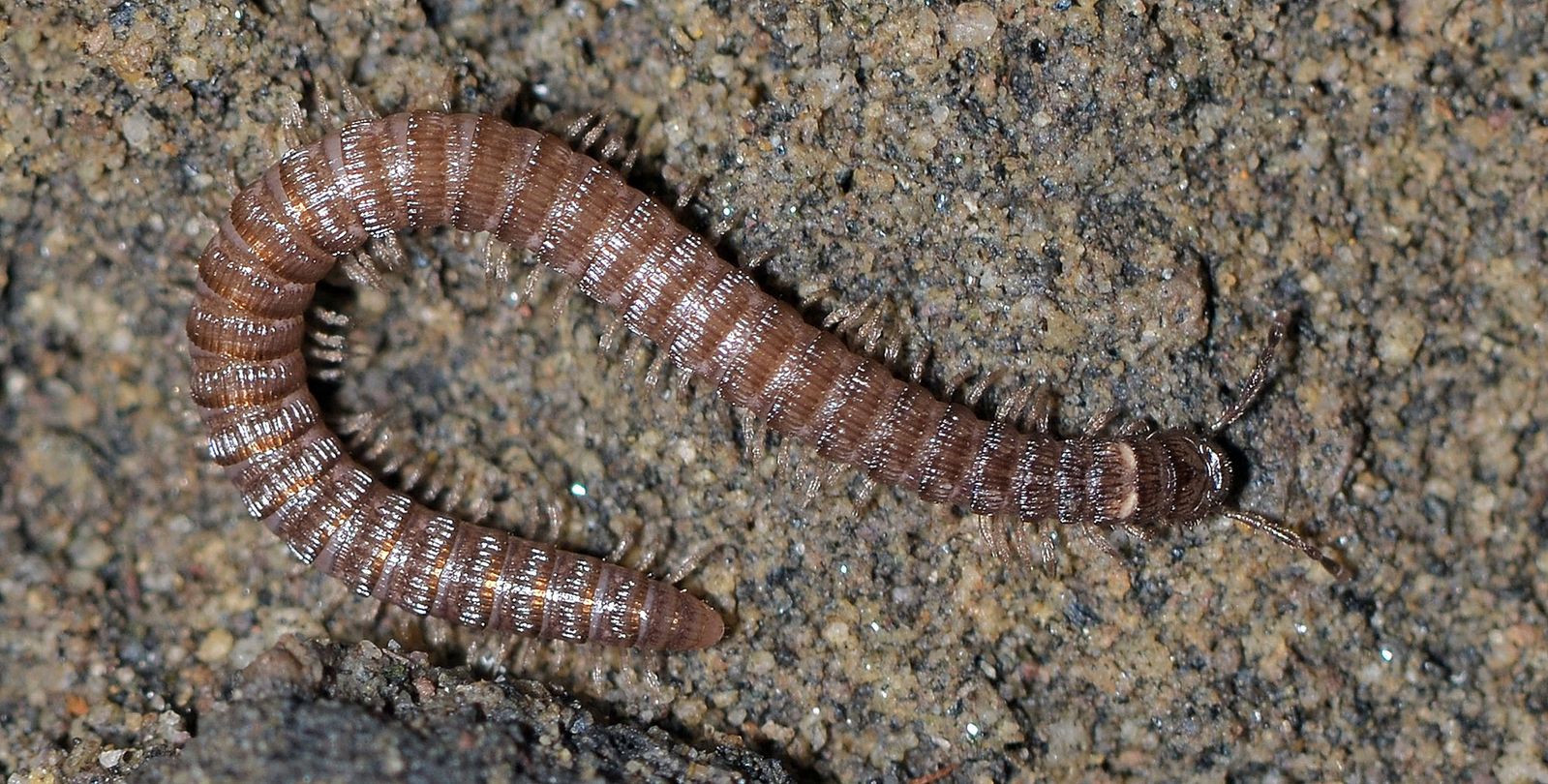
Brazil has (22:162/)541 spp. of Diplopoda, and Mexico has (39:117/)498 spp. 16 orders worldwide, 14 in New World, six unknown in Brazil, and 8 in country. Brazil surprasses Mexico in Glomeridesmida, Penicellata, Siphonophorida and Stemmiulida in all levels, and in Spirostreptida and Polydesmida in number of genera and species (but not at the family level).
National endemic families in New World: Eudigonidae (Chordeumatida, 2/4, Chile), Adritylidae (Chordeumatida, 1/3, USA), Apterouridae (Chordeumatida, 1/2, USA), Branneriidae (Chordeumatida, 1/2, USA), Buotidae (Chordeumatida, 1/1, USA), Microlympiidae (Chordeumatida, 1/1, USA), Urochordeumatidae (Chordeumatida, 1/1, USA), Aprosphylosomatidae (Julida, 1/1, USA), Chelojulidae (Julida, 1/1, USA), Paeromopodidae (Julida, 2/16, USA), Telsonemasomatidae (Julida, 1/1, USA), Zosteractinidae (Julida, 2/2, USA), Hypogexenidae (Penicellata, 1/1, Argentina), Dobrodesmidae (Polydesmida, 1/1, Brazil), Dorsoporidae (Polydesmida, 1/1, Panama), Tridontomidae (Polydesmida, 2/4, Guatemala), Hoffmanobolidae (Spirobolida, 1/1, Mexico), Typhlobolellidae (Spirobolida, 5/6, Mexico), Floridobolidae (Spirobolida, 1/1, USA), and Choctellidae (Spirostreptida, 1/2, USA).
Surprisingly, Brazil leads the New World (either outright or tied) in troglobic diversity within the orders Polyxenida, Siphonophorida, and Glomeridesmida. In Julida and Callipodida, only the USA harbors troglobic representatives in the New World. In Spirobolida, troglobic species are known worldwide only from Mexico, Australia, and Colombia. Within Spirostreptida, Mexico leads in families and genera, whereas Brazil leads in species. In Stemmiulida, troglobitic representatives are probably restricted worldwide to Colombia. In Chordeumatida, Mexican and USA leadership is unsurpassed — this order does not occur in Brazil. In Polydesmida, 45 troglobitic species occur in Mexico and 61 in Brazil. The USA has (3:8/)25 troglobitic species in this order, belonging to Macrosternodesmidae (6/18, mainly in western North America), Nearctodesmidae (1/1, Ergodesmus remingtoni (Hoffman, 1962), from Illinois), and Polydesmidae (1/6, all from Texas).
USA lacks the orders Sphaerotheriida and Siphonocryptida (both absent from the New World), as well as Stemmiulida, Glomeridesmida, and Siphoniulida (the latter occurring in the Neotropics). It harbors five orders with moderate diversity: Polyxenida (2/6: two Lophoturus, four Polyxenus), Glomerida (2/4, both endemic genera), Siphonophorida (3/8: Siphonacme–2, Siphonophora–3, Illacme–2), Polyzoniida (Polyzoniidae – 4/11 in the New World, three genera in the W USA, one in the E USA to SE Canada; Hirudisomatidae – 2/5 in the New World, Mexiconium – 1 in Mexico, Octoglena – 4 in the W and SE USA), and Platydesmida (only Andrognathidae; 5(/10) genera in the New World, one in the SE USA, three restricted to the W USA, and Brachycybe in California – 4 and E USA – 1). Most notably, the USA exhibits an explosive radiation and remarkable diversity in the remaining five orders — Polydesmida, Chordeumatida, Spirobolida, Julida, and Spirostreptida — standing as one of the world’s foremost centers of diversity for the group.




CALLIPODIDA
(10:43/)163 spp. worldwide (Catalogue of Life), two in New World: Abacionidae (E Asia, Tetracion and Delophon endemic to USA, Abacion in E USA and N Mexico) and Schizopetalidae (9 genera, all only in USA except Colactis up to N Mexico, and Colactoides-1 endemic to Mexico), both from USA to N Mexico (5/7 spp. in country).
CHORDEUMATIDA
(59:344/)1,470 spp. (Catalogue of Life), with 14 families in New World in a explosive radiation in W USA (with six endemic families and three near endemic): Caseyidae (12/57, W USA, E Russia-1/1), Striariidae (16/52, SW Canada to California), Tingupidae (2/11, USA, SW Canada, Alaska, Zootaxa), Rhiscosomididae (1/7, Alaska to California, including SW Canada), Microlympiidae (1/1, Washington, Zootaxa), Urochordeumatidae (1/1, Washington), Adritylidae (1/3, W USA), Apterouridae (1/2, California), Buotidae (1/1, E USA), Branneriidae (1/2, SE USA), Trichopetalidae (4/25, 3 genera in USA, one up to SE Canada, and Mexiterpes-7 endemic to Mexico), Conotylidae (11/51, USA, 3 genera up to Canada, Austrotyla up to Mexico), Cleidogonidae (8/135, NE USA to Panama, Pseudotrema-37 endemic to E USA), and Eudigonidae in Argentina and Chile in South America. (4/)52 spp. in Mexico.
GLOMERIDA
(3:36/)370 spp. (Catalogue of Life), all of these from southern Europe, Protoglomeridae up to Morocco and Glomeridae also in SE Asia and from California to Guatemala. Three genera occur in New World, Onomeris (3) and Trichomeris (1, Alabama) occur only in SE USA, and the single genus Glomeroides (16) is represented by
one species in Califomia and several in Mexico and Guatemala.
JULIDA
(23:252/)1,480 spp. worldwide (Catalogue of Life), 14 families only in Old World, five endemic to USA: Aprosphylosomatidae (1/1, Oregon), Chelojulidae (1/1, Idaho), Paeromopodidae (2/16, Oregon to California), Telsonemasomatidae (1/1, Oregon) and Zosteractinidae (2/2, C & E USA); three from USA/Canada and other areas in Old World: Nemasomatidae (two genera in New World, both in E North America and disjunct along Old World), Okenabatidae (2 spp., Japan and E USA one each) and Blaniulidae (only Virgoiulus in New World, SE USA); and Parajulidae — a family of apparently specialized julidans is most diverse and abundant in North America with a explosive radiation (at least 28 genera), a few genera occur also in East Asia and southward through Middle America
as far as Guatemala, where the single genus Thriniulus has been found (HGM). (7/)17 spp. in Mexico, including three endemic genera.
PLATYDESMIDA
Two families and (16/)80 spp.: Andrognathidae from USA (5 genera in New World, 1 in SE USA, 3 only in W USA, and Brachycybe in California-4 and E USA-1), China, Japan, Italy, Greece and Portugal, and Platydesmidae from Mexico (1/10) to Panama.
SIPHONIULIDA
Order with only two species: Siphoniulus alba Pocock, 1894, from E Sumatra island in Indonesia (known only two fragments), and S. neotropicus Hoffman, 1979, from S Mexico and Guatemala.
POLYDESMIDA
(37:1,186/)6,005 spp. worldwide (Catalogue of Life, excludes Brazilian additions) and (12:124/)384 in Brazil. In New World there are 21 families, 9 unknown in Brazil: Polydesmidae (S Canada to SW USA, Japan and India to Papua New Guinea, 6/32 in New World, unknown natively in Mexico), Xystodesmidae (S Alaska to El Salvador and Asia, a explosive radiation in E USA along at least 47 endemic genera, remarkable of these by Eurymerodesmus-35 and Brachoria-26, 2/68 in Mexico, in Rhysodesmus and Stenodesmus), Nearctodesmidae (5/8, N British Columbia to SW USA, Ergodesmus in Illinois, Sakophallus in WC Mexico), Holistophallidae (7/11, C Mexico to Honduras and El Salvador), Sphaeriodesmidae (12/90, S USA to Panama, Caribbean), Tridontomidae (2/4, Guatemala, including the only species in the infraclass Helminthomorpha without gonopods, Wikipedia | BHL), Rhachidesmidae (16/56, Mexico to Costa Rica), Macrosternodesmidae (Europe, Chaetaspis-5 in SE USA), and Dorsoporidae (Panama), all absent in South America.
Bioluminescent Diplopoda belongs 10 spp., nine Motyxia in Xystodesmidae from W USA (Shimomura & Yampolsky, BOOK, 2019), at Polydesmida, and one Spirobolellidae (Spirobolida) from Japan.
POLIZONIIDA
Three families and (28/)126 spp. Polizoniidae (4 genera in New World, 3 in W USA, 1 in E USA to SE Canada) and Hirudisomatidae (2 genera in New World, Mexiconium-1 in Mexico, Octoglena-4 in W & SE USA) occur in northern Hemisphere, and Siphonotidae raches in South America, Africa, SE Asia and New Zealand, unknown in North America, Mexico, America Central and Caribean. In Mexico there are a single Mexiconium. Siphonotids are represented in South America by the apparently native genus Burinia which occurs also in South Africa, and Siphonotus with two species endemic in Brazil. Rhinotus includes only introduced species in Brazil and the Caribbean (HGM). Brazil includes 3 spp., in Siphonotus-2 and Burinia-1 (Iniesta, L.F.M. et al., Pap. Avulsos Zool., 2021).
region
Eumillipes persephone Marek, 2021, in the latter family, is endemic to Western Australia, has 1,306 legs, the species with the most legs on Earth and the first millipede discovered to have 1,000 legs or more (Wikipedia).
SIPHONOPHORIDA
(2:18/)135 spp. (Catalogue of Life). Siphonorhinidae has five genera, three in Asia and South Africa, Illacme in California (with second leggest animal of world, with 618 legs, Wikipedia) and Notorhinus in Chile (Novataxa). Siphonophoridae has (12/)110 spp. widely in World, 4 genera in New World (Columbianum, Siphonacme, Siphonocybe, Siphonophora), with (3/)8 spp. in Brazil (Read H.J. & Enghoff H., EJT/2018, EJT/2019) and (2/)3 spp. in Mexico.
SPIROBOLIDA
(13:152/)1,230 spp. worldwide, nine families in New World: six outside South America — Spirobolidae from North America and Asia (5/24 spp. in New World, from SE Canada to Guatemala, includes Floridobolus), Atopetolidae (explosive radiation in USA and Mexico-8/19); Typhlobollelidae (4/5, endemic to Mexico), Hoffmanobolidae (1/1, Oaxaca), Allopocockiidae (5/7, Mexico to El Salvador), Messicobolidae (2/27, Mexico to Honduras) — and remaining three in to continent: Pachybolidae (Africa, Madagascar, India, Sri Lanka to Borneo, and Brazil), Rhinocricidae (Indo-Australian area, westem Nearctic, and the Neotropics, HGM, 6/69 in Brazil by CTFB/Diplopoda, unknown un USA and Canada) and Spirobolellidae (1/2 in Brazil by CTFB/Diplopoda | HGM, unknown out north of Panama).
Except for two Brazilian genera of uncertain status (Epitrigoniulus-1 and Neptunobolus-2), Pachybolidae are introductions from SE Asia, and occur most commonly in gardens and plantations, often in great numbers (HGM). Within these figures, Brazil has (3:9/)74 spp., and Mexico has (9:25/)81.
Bioluminescent Diplopoda belongs 10 spp., Paraspirobolus lucifugus Gervais, 1836 (Spirobolellidae) from Japan, and nine in Polydesmida from W North America.
SPIROSTREPTIDA
The second largest order of Diplopoda, this dominantly tropical assemblage includes the largest known millipedes as well as some of the smallest (HGM). (12:268/)2,152 spp. worldwide (Catalogue of Life), only four in New World: Choctellidae endemic to USA (1/2, Tennessee to Alabama); Cambalidae for USA (14 genera, 11 endemic to California, 10 monotypic, two in Caifornia up to Oregon and Washington, and Cambala from E USA to Mexico), Mexico (2/4 in endemic Mexicambala and Cambala) and Belize (1/1 in Jarmika, endemic), Hawaii, New Zealand, Australia and Chile (2, in Zinagon); and two in Brazil, Pseudonannolenidae (2/26 in Brazil, CTFB/Diplopoda, unknown north of Costa Rica, Camballoma endemic to Haiti) and Spirostreptidae (21/69, CTFB/Diplopoda | Urostreptus atrobrunneus, only Orthoporus in Mexico or USA), both widely in New World, Africa to Arabia. For notes of biogeography of Pseudonannolenidae, see Iniesta & Ferreira (Zootaxa, 2014). Mexico includes 37 spp. in Spirostreptidae and 4 in Cabalidae.
OLIGOSTRACA
A complex class comprising 11 orders, including endo and ectoparasitic forms, as well as free-living species, mainly bivalved aquatic arthropods found in all types of aquatic ecosystems. A total of 7,894 spp. have been recorded. In Mexican seas, 883 spp. of Ostracoda have been reported — 506 in the Gulf of Mexico and Caribbean, and 418 in the Pacific Ocean — although approximately 45% may be synonyms.
BRANCHIURA
Argulus peruvianus Oliva, Duran & Verano, 1980, endemic to coast of Peru near Callao is the unique marine Branchiura. Chonopeltis is found only in Africa. Brazil has 22 spp., and Mexico has six.
PENTASTOMIDA
Bothropsiella bicornuta Cavalieri, 1967 (Cephalosbaenida) is known only a female collected in a snake form Argentina. Raillietiellida has one genus endemic to Australia. In Porocephalida all families and all eight genera of New World occur in Brazil.
MYODOCOPA
Ostracods. No notes.
MYSTACOCARIDA
Ostracods. No notes.
PODOCOPA
Three orders, one unknown in Brazil: Palaeocopida, with a single family, (2/)3 spp., endemic to high-energy shallow marine environments of New Zealand.
TROGLOBICS
Although information is limited, it is estimated that approximately 600 species are stygobitic Ostracoda, however our numbers indicate only 232, being 114 in Europe, 4 in Africa, 5 in Russia and adjacent countries, 74 in Australia, (2:14/)22 in the USA (all Podocopida, highly centered in Texas), (2:2/)2 in Mexico (excludes anchialine Danielopolina mexicana Kornicker & Iliffe), 5 in Cuba, 3 in Jamaica, 2 in Venezuela (Cyprididae), and one in Brazil, a undescribed species collected in Rio Grande do Norte state. None from China.
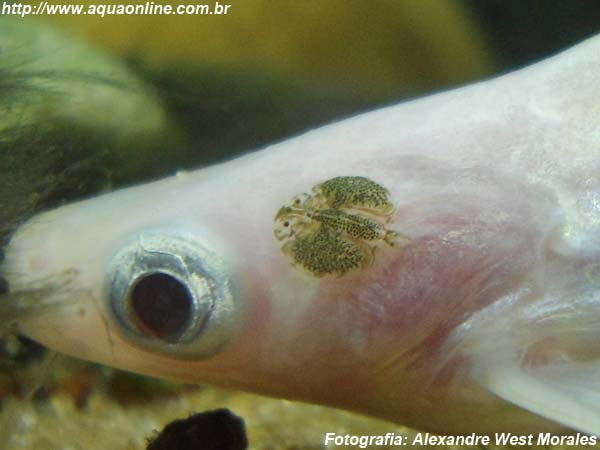


THECOSTRACA
(56:313/)1,724 spp. worldwide, (15:44/)76 spp. in Brazil, and 55 spp. in Mexico (none Tantulocarida), 48 in Pacific coast and 7 in Atlantic Coast.
FACETOTECNA
A single family, Hansenocarididae, with 12 spp. in Hansenocaris, that have never been recorded from Brazil.
ASCOTHORACICA
Parasitics in Cnidaria and Echinoderma, (6:23/)116 spp., that have never been recorded from Brazil.
CIRRIPEDIA
Nine orders worldwide, all sessile. Cryptophialida (1:2/21), Lithoglyptida (2:9/49), Iblomorpha (2:4/7), and Calanticomorpha (1:11/58) have never been recorded from Brazil.
TANTULOCARIDA
All New World Tantulocarida occur in South America, being one in Brazil, Basipodella harpacticola Becker, 1975 and Rimitantulus hirsutus Huys & Conroy-Dalton, 1997 in Pacific Ocean (Peru-Chile trench, and Galapagos islands, Ecuador), and 7 in Antarctic waters. World's smallest arthropod is Serratotantulus chertoprudae Savchenko & Kolbasov, 2009 (Basipodellidae), with a total body length of only 76 micrometres, or 1/14 mm, from Indian Ocean east of Mauricio (MAP).
TROGLOBICS
Stygotantulus stocki Boxshall & Huys, 1989 was reported from anchialine environments of the lava tubes in the Canary Island, parasitizing two families of Copepoda, being the unique troglobic Thecostraca known worldwide.


MALACOSTRACA
Brazil has the second largest number of orders worldwide (14) after Australia (16), being exceptions Anaspidacea, Stygiomysida, Thermosbaenaceae and Mictacea. Among the four orders absent from Brazil, Australia, Cuba, Italy, the Bahamas, the Dominican Republic, Mexico, Colombia, and Jamaica each have two, whereas France, the USA, the British Virgin Islands, Thailand, Haiti, Puerto Rico, Tunisia, Cambodia, Bosnia, Japan, the Canary Islands, Curaçao, Bonaire, Venezuela, the US Virgin Islands, Spain, Morocco, Croatia, Greece, Somalia, Israel, Oman, Socotra, Bermuda, Argentina, Chile, New Zealand, the Turks and Caicos Islands, St. Martin, Anguilla, Kenya, Tanzania, Aldabra, and India each have one. The combination Spelaeogriphacea + Bochusacea eliminates all single-order records except for Japan and ties with Cuba, Italy, the Dominican Republic, Mexico, Colombia, and Jamaica. Australia and the Bahamas remain with the highest apparent diversity. Bathynellacea does not occur in the Bahamas, Cuba, the Dominican Republic, Mexico, or Jamaica; therefore, Italy, the Bahamas, and Colombia remain tied, and Australia is the country with the highest diversity of orders worldwide (16, except Mictacea and Stygiomysida).


LEPTOSTRACA
Two spp. in Mexico, 1 in Brazil.
STOMATOPODA
No notes.
BATHYNELLACEA
Bathynellidae has (3/)7 spp. in North America and only (1/)1 in Brazil. Brazil has the highest diversity of genera of Parabathynellidae in New World. In Mexico, no Bathynellacea have been described, but there are informal records from the northern part of the country.
ANASPIDACEA
(12/)25 spp. in five families: Anaspididae (3/12), Koonungidae (2/2) and Psammaspididae (2/2) are found in Australia and Tasmania; Patagonspididae (1/1) is restricted to Argentina; and Stygocarididae (4/8) occur in Argentina (3, Parastygocaris), Chile (1 Oncostygocaris, 1 Stygocaris), Australia (1 Stygocaris) and New Zealand (1 Stygocarella, 1 Stygocaris).
EUPHAUSIACEAE
(2:11/)88 spp. in two families. 4 genera do not occur in Brazil: Meganyctiphanes (1, North Carolina/Mauritania line nortwards in Northern Atlantic), Nyctiphanes (Pacific coast of North and South America, SW Africa Atlantic, northern Europe, southern Australia), Pseudeuphausia (2, Somalia to Australia in Indic Ocean, Japan to New Caledonia in Pacific Ocean) and Tessarabrachion (1, Japan to California in northern Pacific).
DECAPODA
(110:411/)1,022 spp. in Brazil, in all Decapoda lineages except Procaridoidea and Glypheidea. Brazil has 99 in freshwater and 923 in coast. Mexico includes (114:536/)1,776 spp. of Decapoda, 1,597 in marine and 177 in freshwater environments.
Mexico surpasses Brazil diversity of species in Dendrobranchiata (7:35/102 ✕ 7:38/65), Stenopodida (2:3/7 ✕ 2:4/6), Caridea (22:106/430 ✕ 25:86/275), Achelata (1:2/8 ✕ 1:4/6), Polychelida (2:10/16 ✕ 2:5/12), freshwater Astacidea (1:2/56 ✕ 1:1/14), Axiidea (7:22/45 ✕ 5:17/25), Gebiidea (2:3/19 ✕ 2:3/11), Anomura (14:75/340 ✕ 13:51/181) and Brachyura (51:272/740 ✕ 49:206/406).
Glypheidea has (2/)2 spp. known only by 18 specimens collected in Timor Sea, Philippines and Coral Sea. Procaridoideae has a single genus and family, Procaris, with 6 spp., from Mexico, Hawaii, Bermuda, Ascencion and Christmas Islands.
In Caridea, Agostocarididae, Alvinocarididae, Disciadidae, Stylodactylidae, Anchistioididae and Gnathophyllidae are Mexican non Brazilian families. Lysmatidae, Merguiidae, Merhippolytidae, Thoridae, Disciadidae, Pseudochelidae, Campylonotidae, Acanthephyridae, Euryrhynchidae are Brazilian non Mexican families. Alpheidae is mostly marine, except for a few freshwater species in the circumtropical genera Potamalpheops and Alpheus, including one Mexican freshwater species (P. stygicola Hobbs, 1973b) from two caves in N Oaxaca. Freshwater species do not occur in Brazil in this family. Atyidae includes (2/)5 spp. in Brazil and (4/)11 in Mexico. Freshwater Micratya and Jonga are endemic to Caribbean up to Mexico, Costa Rica and Panama, Typhlatya (17) is widely in France, Spain, Ascension, Caribbean region, Yucatan, Bermuda and Galapagos. Palaemonidae includes (4/)30 spp. in Brazil and (6/)35 in Mexico (Creaseria, Palaemonetes, Neopalaemon and Troglomexicanus unknown in Brazil). Troglocubanus is endemic to Cuba, and the monotypic Calathaemon is endemic to Texas, USA.
In Anomura, Mexican families Galatheidae and Coenobitidae do not occur in Brazil. Brazilian family Aeglidae does not occur in Mexico. Only three lineages Anomura are found in freshwater envioronments: Aeglidae (1/87), Clibanarius fonticola McLaughlin & Murray, 1990 endemic to Vanuatu, and Coenobitidae (15), with two spp. in New World, Coenobita compressus H. Milne-Edwards from Pacific coast up to Chile, and C. clypeatus Fabricius from Caribbean region, Colombia and Venezuela, these species unknown in Brazil.
In Brachyura, Mexican families Dynomenidae, Bythograeidae, Cancridae, Oregoniidae, Atelecyclidae, Trapeziidae, Hexapodidae, Goneplacidae, Oziidae, Ucididae and Glyptograpsidae do not occur in Brazil. Brazilian families Belliidae, Cymonomidae, Platyxanthidae, Latreilliidae, Hymenosomatidae, Carcinidae, Geryonidae, Pseudoziidae and Trichopeltariidae do not occur in Mexico. For freshwater crabs, eight families are known, only two in New World, Trichodactylidae and Pseudotelphusidae, with 311 spp. in region. Colombia (21/105) has the largest diversity, being Pseudothelphusidae (15/90, six endemic genera) and Trichodactylidae (9/15). Mexico has the second diversity in region, with (16/)67, all endemic, in Pseudothelphusidae (14/61, 11 endemic genera) and Trichodactylidae (2/5). Brazil has the 3rd diversity in freshwater crabs (16/50, 17 endemic) in region, with a fauna that is dominated by Trichodactylidae (10/31, in two subfamilies), and fewer Pseudothelphusidae (6/19 species, all Pseudothelphusinae/Kingsleyini). Brazil has 2✕ as many Trichodactylidae as Colombia, which in turn has more than 4✕ more Pseudotelphusidae tham our country. Colombia has the second largest worldwide worldwide after China (243).
National endemic families in New World: Macromaxillocarididae (Stenopodidae, 1/1, Bahamas), Anchialocarididae (Caridea, 1/1, Mexico) and Garthopiulmnidae (Brachyura, 1/1, Ecuador).
AMPHIPODA
(243:1791/)10,672 spp. worldwide. Six suborders make up order Amphipoda, 4 in Brazil: Amphilochidea, Colomastigidea, Hyperiidea and Senticaudata, and two that does not occur in Brazil: Hyperiopsidea (2:5/15, widely worldwide including Mexico) and Pseudingolfiellidea (1:1/4, freshwater known only from South America and some Subantarctic islands).
National endemic families in New World: Allocrangonyctidae (1/2, USA), Miramarassidae (1/1, Cuba), and Magnoviidae (1/1, Brazil).
STYGIOMYSIDA
16 spp. in two families. Lepidomysidae has 9 spp., all in Spelaeomysis, in Mexico (3), Cuba (1), Colombia (1), Italy (1), Kenya (1), Tanzania (1), Aldabra (1) and S India (2). Stygiomysidae has 7 spp., all in Stygiomysis, in Mexico (1), Dominican Republic (1), Turks and Caicos Islands (1), St. Martin (1), Anguilla (1), Puerto Rico (1), Bahamas (1), Cuba (1), Jamaica (1) and Italy (1).
MYSIDA
Brazil surpasses Mexico in Mysida diversity.
TANAIDACEA
Brazil surpasses Mexico in diversity of Tanaidacea. Only four in freshwater: one in Baikal Lake, two in Oceania, and Sinelobus stanfordi Richardson, 1901, a marine, freshwater, hypohaline and hypersaline species inland waters of Galapagos, Japan, Hong Kong, New Zealand, Australia, Argentina, Kurile Islands, Caribbean, Florida and (S & SE/)Brazil.
CUMACEA
Brazil surpasses Mexico in diversity of Cumacea. All species are marine except (11/)21 spp. in freshwater, all Pseudocumatidae from Caspian basin except two New World species, in Nannastacidae: Almyracuma proximoculi Jones and Burbanck, 1959 from intertidal freshwater springs at Cape Cod, and limnetic zone of Lower Hudson river, NE USA, and Claudicuma platense Roccatagliata, 1981 from Río de la Plata (Argentina), from Buenos Aires to Punta del Indio.
ISOPODA
All suborders in Isopoda occur in Brazil except Phoratopidea (continental shelf at Encounter Bay and Fowlers Bay, South Australia), Phreatoicidea (freshwater environments in South Africa, India, and Oceania) and Tainisopidea (Tainisopidae, 2/7, endemic to Australia).
National endemic families in New World: Colypuridae (1/1, Panama), and Brasileirinidae (1/2, Brazil).
THERMOSBAENACEA
(4:8/)45 spp. worldwide, in Cuba (2:2/4), Italy (2:2/4), France (2:2/3), USA (2:2/2, in Montana and Texas), British Virgin Island (1:1/3), Bahamas (1:1/2), Thailand (1:1/2), Haiti (1:1/2), Dominican Republic (1:1/2), Puerto Rico (1:1/2), and SE Mexico, Tunisia, Cambodia, Bosnia, Japan, Canary Islands, Curaçao, Bonaire, Venezuela, San Andres Island in Colombia, Jamaica, US Virgin Islands, W Australia, Spain, Morocco, Croatia, Greece, Somalia, Israel, Oman, and Socotra one each. Unknown in Brazil.
MICTACEA
A single family, genus and species, Mictocaris halope Bowman & Iliffe, 1985, endemic to anchialine caves in Bermuda, and grows up to 3.5 mm long. National endemic families in New World: Mictocarididae (1/1, Bermudas).
BOCHUSACEA
A single family, Hirsutiidae, possibly a part of a wider Mictacea, and six species in three genera: Hirsutia (2, Suriname, off SE Australia), Thetispelecaris (3, Bahamas, Grand Cayman Island, Japan), and Montucaris (1, Brazil).
LOPHOGASTRIDA
Two spp. in Brazil, unknown in Mexico.
INGOLFIELLIDA
Two spp. in Mexico (LAJAR), and one in Brazil.
SPELEOGRIPHACEA
(3/)4 spp. in WC Brazil (1/1), South Africa (1/2) and W Australia (1/1).
TROGLOBICS
Bathynellacea, Anaspidacea, Amphipoda, Thermosbaenacea, Spelaeogriphacea, Decapoda and Isopoda have troglobic representatives worldwide. In the New World, Brazil holds exclusivity for Spelaeogriphacea — and Thermosbaenacea and Anaspiacea are fully disjunct in troglobic in continent, and also leads in Isopoda in all levels. Only USA has more troglobic Bathynellaceae (2:7/23) and Amphipoda (11:24/192) than Brazil.
In Decapoda four infraorders of Decapoda has troglobic species. Caridea includes a huge of shrimps. Astacidae includes more than 40 stygobitic species of crayfishes of different genera and in environments of temperate and tropical freshwater caves, for Papua New Guinea, Cuba, Mexico, and North America. Anomura includes troglobic (4, in Aegla) only in SE Brazil (and marine forms in Canary Islands). Brachyura has troglobic crabs in Pseudothelphusidae and Trichodactylidae. Only USA (44), Mexico (20) and Cuba (13) surprasses Brazil in troglobic Decapoda in New World. Two troglobics occur in Venezuela (Chaceus caecus and Eudaniella sp.). Mexico has 20 spp. of troglobic freshwater Decapoda, in Alpheidae (shrimp, 1, Potamalphaeops stygicola), Palaemonidae (shrimp, 9), Cambaridae (crayfishes, 5), Pseudothelphusidae (crabs, 4) and Trichodactylidae (crabs, 1). USA has (3:7/)44 spp. [33], in Procarididae (shrimps, 2/2, both in Hawaii), Cambaridae (5/35, crayfishes, mainly in Alabama, Florida and Tennessee), Atyidae (shrimps, 4, Palaemonias in Kentucky and Alabama, and Halocaridina in Hawaii), and Palaemonidae (shrimps, 2/3, Texas and Florida).
CEPHALOCARIDA
Brazil and the USA lead global diversity in the group at both the genus and species levels.
BRANCHIOPODA
4 orders and (32:142/)1,185 spp. worldwide. Brazil has (24:74/)258 spp. — Notostraca does not occur in Brazil. National endemic families in New World: Dumontidae (1/1, USA).
ANOSTRACA
Mexico has 20 spp., Brazil has 16 spp. Streptocephalidae includes (1)/8 spp. in Neotropics, all from Mexico and Caribbean, also in North America and Old World. Phallocryptus (Thamnocephalidae) is endemic to Argentina.
DIPLOSTRACA
Three lineages. In Spinicaudata, Mexico has 11 spp., Brazil has only 8 spp. In Cladoceromorpha Brazil has (12:65/)165 spp. spp. and (7:33/)106 spp. occur in Mexico. In Laevicaudata, (2/)7 spp. occur in Mexico (Lynceus, Paralimnetis) and only (1/)1 in Brazil (Paralimnetis rapax Gurney, 1931, also Colombia and Paraguay).
NOTOSTRACA
Only a single family with (2/)15 spp. worldwide in Triops and Lepidurus. (2/)2 spp. in Neotropics, collected in Mexico (2/2), Venezuela, Ecuador, Bolivia, Argentina and Caribbean, never recorded in Brazil.
TROGLOBICS
Troglobic forms occur only in Europe, in Spain, Romania, France, Slovenia and Bosnia & Herzegovina, all in Diplostraca.


COPEPODA
(241:2,039/)15,950 spp. worldwide in two infraclasses and current 10 orders. (79:288/)854 spp. in Brazil. In Mexico occur (7:31/)78 spp. in freshwater and (50:122/)479 in marine environments. Only two orders unknown in Brazil.
PLATYCOPIDEA
(4/)11 spp. in a single family from Bermudas, Barents Sea, North Sea, E North America, Bahamas, Mauritania and Japan.
GELYELLOIDA
(1/)2 spp. in groundwater in saturated karstic areas of S France and W Switzerland.
TROGLOBICS
Copepoda includes ten orders, six of which (Platycopioida, Calanoida, Misophrioida, Cyclopoida, Harpacticoida, Gelyelloida) contain stygobiotic representatives. 814 troglobic copepods (all stygobitic) are known worldwide, with a explosive radiation of 547 recorded in Europe, 67 in Africa, 31 in Russia and neighboring countries, 12 in Iran, 23 in China, 83 in Australia, (5:7/)18 in the USA/Canada (15 Cyclopidae, 9 Diacyclops, mainly in Indiana and Tennessee), 10 in Mexico, 18 in Cuba, 1 in Venezuela (Cyclopidae), and 4 in Brazil, all undescribed (Brazilian Cave Fauna).


REMIPEDIA
Smaller multilegged animals, all anchialine, in Bahamas (7/16), Turks y Caicos (4/4), SE Mexico (1/3), Australia (1/1), Belize (1/1), Cuba (1/1), Republica Dominicana (1/1) and Canary Islands (1/1). National endemic families in New World: Pleomothridae (1/2, Bahamas) and Micropacteridae (1/1, Turks y Caicos).

COLEMBOLA
(33:763/)8,130 spp. worldwide, (21:118/)457 spp. in Brazil, (24:105-107/)582 spp. in Mexico. Mexican families Poduridae, Actaletidae, Coenaletidae and Tomoceridae do not occur in Brazil. Brazilian Sturmiidae does not occur in Mexico. In following families Mexico certainly has more species than Brazil: Hypogastruridae (80 ✕ 30), Odontellidae (16 ✕ 1), Onychiuridae (21 ✕ 4) at Poduromorpha; Oncopoduridae (5 ✕ 2) in Entomobryomorpha; Katiannidae (8 ✕ 3), Bourletiellidae (10 ✕ 9) and Dicyrtomidae (15 ✕ 4) in Symphypleona; and Neelidae in Neelipleona (10 ✕ 3).
Sphaeridia pilleata Bretfeld & Gauer, 1994 (Sminthurididae) from Manaus region in Brazil, is arguably the smallest known adult hexapod, with its smaller males measuring about 0.12 mm (Bellini, Weiner & Winck, Diversity, 2023).
TROGLOBICS
A total of 691 troglobic Collembola species were recorded in this study, including in New World (7:16/)100 in the USA and Canada, 92 in Brazil and (9:)42 in Mexico. All orders of Collembola has troglobic in Brazil. Onychiurus acuitlapanensis Palacios-Vargas & Deharveng, 1982 (Onychiuridae) is a unique troglobic Collembola from Venezuela, known also from Guerrero state in Mexico.
In Symphypleona, Mexico has (2:)2 spp. of troglobic, USA has 31 spp. (all Pygmarrhopalites in Arrhopalitidae, mainly in Virginia), and Brazil has (3:)19 (16 in Arrhopalites). In Poduromorpha, 3 troglobic species in Brazil, 11 in Mexico (in 4 families) and (3:7/)20 spp. in USA, in Hypogastruridae (3/10, mainly Colorado and Alabama), Neanuridae (3/3, Hawaii and Texas), and Onychiuridae (1/7, widely distributed). Em Entomobryomorpha, Mexico has 27 troglobic in 4 families, USA has (3:8/)50 spp. in Entomobryidae (5/40), Oncopoduridae (1/7), and Tomoceridae (2/3), and Brazil has (3:)45 spp., mainly in Paronellidae (30). In Neelipleona, the unique troglobic record in New World is from Brazil (Bahia).


PROTURA
Brazil has (2:9/)26 spp. (2:6/)17 spp. occur in Mexico. Two families in New World have no records from Brazil, both in Acerentomata: Hesperentomidae from in East and Central Asia, Europe and North America, and Protentomidae (Acerentomata, 6 genera) in Japan, China, Pacific Islands, tropical Asia, Reunion, North America and Argentina. Styletoentomon is a Eosentomata genus known only from from North America.
TROGLOBICS
Unknown.


DIPLURA
(4:11/)31 in Brazil. Mexico has (6:17/)48 spp., and USA has (7:23/)170 spp. Compared with Brazil, Mexico has the families Anajapygidae (1/2) and Evalljapygidae (2/10), and leads in Campodeidae (9/33 ✕ 5/5) and Parajapygidae (1/3 ✕ 2/6), in addition to the endemic genus Lacandonajapyx (Parajapygidae).
CAMPODEOIDEA
Two families: Procampodeidae (1/2, one in Italy, another in California) and Campodeidae (58/491, widely worldwide, 4/5 in Brazil and 9/33 in Mexico).
JAPYGOIDEA
5 families worldwide, 4 in New World: Dinjapygidae (1/6, Peru and Bolivia), Japygidae (Brazil susprasses Mexico), Evalljapygidae (5/47, with 34 in western regions of North America including 10 in Mexico, and 12 in South America), and Parajapygidae (4/66, with Parajapyx (55) worldwide (5 in Mexico, 3 in Brazil), Ectasjapyx (5, Central Africa), Miojapyx (1, USA), and Lacandonajapyx (1, Mexico)).
PROJAPYGOIDEA
Anajapygidae (2/5, Holartic, Oriental, Neotropical, 2 in Mexico) has no records from Brazil. Brazil susprasses Mexico in Projapygidae.
TROGLOBICS
New World troglobic in USA (2:4/10, Condeicampa, Mixojapyx and Occasjapyx one each, and 7 Litocampa), Mexico (8, two Litocampa, two Juxtlacampa, one Oncinocampa and three Tachycampa), Guatemala (1, Juxtlacampa), and 10 in Brazil, in three families.
INSECTA
For 14 orders, there is a complete list of the New World families absent from Brazil, totaling 39: Archaeognatha (Machilidae), Zygentoma (Lepidotrichidae, Maindroniidae, Protrinemuridae), Orthoptera (Tanaoceridae, Episactidae, Xyronotidae, Tristiridae, Cylindrachetidae, Prophalangopsidae, Rhaphidophoridae, Stenopelmatidae), Phasmatodea (Agathemeridae, Tinematidae), Embioptera (Andesembiidae), Notoptera (Grylloblattodae), Plecoptera (Diamphipnoidae, Eustheniidae, Austroperlidae, Capniidae, Leuctridae, Nemouridae, Notonemouridae, Taeniopterygidae, Chloroperlidae, Kathroperlidae, Perlodidae, Peltoperlidae, Pteronarcyidae), Dermaptera (none), Zoraptera (none), Blattodea (Cryptocercidae, Archotermopsidae, Stolotermitidae), Thysanoptera (Adiheterothripidae, Melanthripidae, Fauriellidae, Stenurothripidae), Strepsiptera (Bohartillidae), Megaloptera (none), and Raphidioptera (Raphidiidae, Inocelliidae).
For the remaining 13 orders, there are no precise data: Ephemeroptera, Odonata, Mantodea, Psocodea, Hemiptera, Hymenoptera, Coleoptera, Neuroptera, Trichoptera, Lepidoptera, Diptera, Siphonaptera, and Mecoptera.
National endemic families in New World: Lepidotrichidae (Zygentoma, 1/1, USA), Melanemerellidae (Ephemeroptera, 1/1, Brazil), Mesagrionidae (Odonata, 1/1, Colombia), Xyronotidae (Orthoptera, 2/4, Mexico), Curaliidae (Hemiptera, 1/11, USA), Pityococcidae (Hemiptera, 2/5, USA), Bahiaxenidae (Strepsiptera, 1/1, Brazil), Diphyllostomatidae (Coleoptera, 1/3, USA), Jurasaidae (Coleoptera, 2/5, Brazil), Meruidae (Coleoptera, 1/1, Venezuela), Neotheoridae (Lepidoptera, 2/4, Brazil), Evoocoidae (Diptera, 1/1, Chile) and Eomeropidae (Mecoptera, 1/1, Chile).


1 ARCHAEOGNATHA
(65/)548 spp. worldwide in two families. Machilidae has (38/)250 spp. worldwide, only nine genera in New World, from Canada to Mexico, (5/)7 in Mexico and (10/)27 in USA. Meineterllidae has (2/)25 spp. in Brazil, (4/)8 in Mexico and (4/)9 in USA. Four of six South American genera are continentally confined to Argentina and Chile.
2 ZYGENTOMA
5 families worldwide, two in Brazil and three unknown: Lepidotrichidae (1/1) endemic to USA, Maindroniidae (5, 3 in Sudan and Arabian Peninsula, Atacamus-1 in Chile, and Peruatacamus-1 in Peru), and Protrinemuridae (4/10 spp., worldwide, only two in New World, both Trinemophora collected in W South America)
Although there are records of troglobic Zygentoma from Australia, Thailand, New Guinea and the Philippines, they are only mentioned in species checklists for the Balkans, North America, Mexico, Guatemala, Cuba, and Brazil. 8 spp. in USA (6 Texoreddellia and two Speleonycta, both Nicoletiidae), (3/)13 in Mexico, 1 in Guatemala, 3 in Cuba, and 7 in Brazil.
3 EPHEMEROPTERA
A troglobic species within this order has been reported from Colombia, and it is provisionally accepted here. However, its validity still requires thorough confirmation in a peer-reviewed publication. If confirmed, it would represent the first described species of its group worldwide.
4 ODONATA
Three suborders, two cosmopolitan and Anisozygoptera is restricted for Asia from E Nepal to Haina island and N Japan (MAP). Brazil has all South American families except Neopetaliidae (1, known only from Argentina and Chile), Petaluridae (5/11, E Asia, Australia, New Zealand, North America, Argentina and Chile), Mesagrionidae (1/1, endemic to Colombia), and Austropetaliidae (Argentina, Chile and Australia).
5 ORTHOPTERA
(18:571/)1,866 spp. in Brazil, and (274/)c. 920 spp. in Mexico. The most massive insects are wētā from New Zealand (6, Deinacrida, Anostostomatidae), with one mention of a individual of D. heteracantha White, 1842 specimen from extreme northern country weighing 71g.
Eight New World families which have no records from Brazil are Tanaoceridae (Caelifera, W USA to NW Mexico), Episactidae (Caelifera, Mexico to Costa Rica, Hispaniola, Madagascar and E Asia), Xyronotidae (Caelifera, endemic to Mexico), Tristiridae (Caelifera, Peru to S Argentina), Cylindrachetidae (Caelifera, Argentina, disjunct with New Guinea to Australia), Prophalangopsidae (Ensifera, 5 genera, Cyphoderris in NW America, Paracyphoderris in Siberia, Aboilomimus in China, Prophalangopsis in Indian subcontinent, and Tarragoilus in China), Rhaphidophoridae (Ensifera, Alaska to Guatemala, Eurasia to New Zealand, South Africa, Argentina and Chile), and Stenopelmatidae (Ensifera, 5/50, two genera in New World, Ammopelmatus from SW USA and NW Mexico and Stenopelmatus from America Central and Ecuador in New World).
63 troglobic Orthoptera are documented, all Ensifera: 1 in Balkans, 1 in Africa, 40 in China, 1 in SE Asia, six in Hawaii (all Gryllidae), 6 in Mexico (all Phalangospsidae), 4 in Cuba, 2 in Venezuela and six in Brazil — all in Phalangospsidae. Rhaphidiophoridae from Venezuela are the only aquatic or semi-aquatic troglobic Orthoptera known.
6 PHASMATODEA
Two New World families do not occur in Brazil: Agathemeridae (8, restricted for Argentina, Bolivia and Chile) and Tinematidae (21, Oregon to Baja California in NW Mexico). All remaining families are invalid or have no records in New World. The longest known insect, based on leg length, is a species not described in Phasmatidae from China, from captivity, which reached 64cm.
7 EMBIOPTERA
(5:22/)57 spp. in Brazil and (4:11/)58 in Mexico. Andesembiidae (2/8, Colombia to Peru) is the only New World family that has no records from Brazil.
8 NOTOPTERA
Former Grylloblattodae and Mantophasmatodea, unknown in Brazil, (2:20/)48 spp. In New World occur only Grylloblatta (14, California, Oregon, Washington, Idaho, Montana, Alberta and British Columbia).
9 PLECOPTERA
17 families, 15 never collected in Brazil (2 only in Asia). Capnia lacustra Jewett, 1965 from Lago Tahoe (USA) and Baikaloperla (Lake Baikal), both Capniidae, are the only fully aquatic life cycle insects. In Brazil are known (10/)202 spp., and (7:12/)55 in Mexico, mainly Perlidae (1/30), also the unbrazilian Capniidae (3/8), Leuctridae (1/1), Nemouridae (2/9), Chloroperlidae (2/2), Perlodidae (2/4) and Pteronarcyidae (1/1).
10 DERMAPTERA
All New World families occur in Brazil, which holds the largest diversity of Dermaptera in New World and the fouth worldwide after India (239), China (229) and Indonesia (204).
There are only four troglobic in this order: Anataelia troglobia MartÌn & OromÌ, 1988 in Canary Islands, Anisolabis howarthi Brindle, 1980 in Hawaii, Mesodiplatys falcifer Kamimura & Ferreira, 2018 (Diplatyidae) from Carinhanha municipality in Bahia state in Brazil, and one undescribed from Colombia.
11 ZORAPTERA
Brazil has the largest diversity of genera worldwide (2:4/6). Usazoros, endemic to USA, is the unique genus in New World never collected in Brazil.
12 MANTODEA
No notes.
13 BLATTODEA
Among cockroaches, China and Australia have the largest diversities of families in World, six each. Such as cockroaches, curiously, China and Australia have the largest diversities of families of termites in World, five each. In cockroaches, Cryptocercidae (1/12, North America to Mexico, E Europe, China to Japan and Koreas in Asia) is unique family in the New World that is unknown from Brazil. In termites, Archotermopsidae (3/11, one genus in North America o Mexico and two in E Asia) and Stolotermitidae (2/10, South Africa, Australia, New Zealand, plus Porotermes quadricollis Rambur, 1842 in Argentina and Chile) are the only family in the New World that are unknown from Brazil.
26 troglobic Blattodea documented in this work, with Brazil having the highest diversity worldwide in troglobic (8).
14 PSOCODEA
In Brazil there are (45:250/)987 spp. and Mexico has (53:228/)1,199 spp. All suborders and infraorders of New World in this order occur in Brazil.
The only clearly troglobic representative of this order in New World is the prionoglaridid Speleopsocus chimanta Lienhard, 2010, known from a humid cave in SE Venezuela.
15 THYSANOPTERA
8 families in USA. Families unknown in Brazil are Melanthripidae (4 genera: Cranothrips in Australia and South Africa, Dorythrips in Australia and W South America, Ankothrips in USA, Europe and South Africa, and Melanthrips in Europe, Africa, India and North America), Fauriellidae (4/5, one in California, two from S Africa, and two from S Europe) and Stenurothripidae (13 /25, two in W North America, remaining in Old World).
16 HEMIPTERA
Four suborders, one unknown in Brazil: Coleorrhyncha, with two families, Peloridiidae and Permoridiidae, (20/)40 spp., known from Argentina, Chile, New Zealand, New Caledonia, and E Australia, living in the wet moss of temperate and subantarctic rainforests.
True marine insects belongs only in genus Halobates (Gerridae). The majority of the 46 extant spp. of Halobates are found in the tropical parts of the Indo-West Pacific region - the only sea-skaters that occur outside this region are H. robustus Barber, 1925 (endemic to the Galápagos Islands), and the oceanic species H. sobrinus White, 1883, H. splendens Witlaczil, 1886 (E Pacific Ocean), and H. micans Eschscholtz 1822 (Atlantic Ocean, the Caribbean Sea, and eastern Pacific Ocean). Only one spp. occurs in costal Brazil, H. micans, widely distributed in tropical waters worldwide.
33 documented troglobic species worldwide. Brazil has the highest diversity in all levels worldwide. All three Mexican troglobic of this order belongs Fulguromorpha, and all 10 troglobic in USA are endemic to Hawaii, in Cixiidae (2/8, Fulguromorpha), Mesoveliidae and Reduviidae (1/1 each, both Heteroptera). One troglobic species in Cydnidae was collected in Colombia.
17 HYMENOPTERA
Brazil leads in the number of Neotropical Meliponini species (and in genera and endemic genera) among all countries. In Formicidade, Brazil has the greatest diversity of genera, endemic genera and species in the Western Hemisphere. All South American social wasps are Polistinae, subfamily of which Brazil has the largest diversity worldwide, with 21 of 25 genera - exceptions are the four genera of Ropalidiini, subtribe from Afrotropical, Indomalayan and Australasian biogeographical regions.
Honey pot ants belong mainly to the genera Myrmecocystus, found in the arid regions of North America, and Camponotus, in Australia. In these colonies, some specialized workers called 'repletes' store large amounts of nectar and sugary liquids in their abdomens, which become so swollen that they remain hanging inside the nest as living food reservoirs for periods of drought or scarcity (Wikipedia). Honeypot ants are unknown in South America (Tapatalk).
Vespinae includes 4 genera, mainly in Old World. In New World, natively, occur only Vespula (14 in region, 12 in USA/Canada, six in Mexico and one in Guatemala) and Dolichovespula (6) from Canada and USA.
Two Mymaridae wasps are incredible minuscule: Dicopomorpha echmepterygis Mockford, 1997 is the smallest known insect, with a body length averaging 186 μm (smaller than certain species of Paramecium and amoeba, which are single-celled organisms), know as an idiobiont parasitoid of the eggs of a lepidopsocid barklouse, Echmepteryx hageni, in Illinois, USA; and Kikiki huna Huber & Beardsley, 2000, known from Hawaii, Costa Rica, Argentina, S India and T.Tobago; at 0.15 mm, it is the smallest flying insect known. Dinoponera may have a body length exceeding 3.5cm, making them the genus with the largest known ant workers, exclusively South American, with their center of diversity in Brazil, the only country where all described species can be found.
Six troglobic worldwide listed here: Aphaenogaster gamagumayaa Naka & Maruyama, 2018 from Okinawa, Japan, Leptogenys khammouanensis Roncin & Deharveng, 2003 from Laos, Yavnella laventa Griebenow, Moradmand & Isaia, known from SW Iran, and three undescribed in tropical Brazil.
18 STREPSIPTERA
Brazil has (7:13/)35 spp. in all families of New World except Bohartillidae (3, Honduras and Hispaniola). (5:)16 spp. in Mexico.
19 COLEOPTERA
The three basal suborders Archstemata, Myxophaga and Adephaga has 20 families, 11 in Brazil and 9 unknown in country, 5 of these in New World, in Venezuela (1), Argentina (1), Mexico to Venezuela and Ecuador (1), North America (2), and Chile (1).
The presence of bioluminescence in Coleoptera is exclusive in the six families, Rhagophthalmidae only in Old World and Staphylinidae only in Brazil. 147 spp. of Elateridae are able to emit light, in four lineages, three restricted: Thylacosterninae (Balgus schnusei Heller from Bolivia, Brazil, Peru and French Guiana), Sinopyrophorinae (Sinopyrophorus schimmeli Bi & Li, 2019, China) and Campyloxeninae (Campyloxenus pyrothorax Fairmaire, Argentina and S Chile).
Xenomorphon baranowskii Ferreira & Barbosa & Bocakova & Solodovnikov, 2023 (Lycidae) is the unique completely anelytrous and wingless adult male beetle, known only from S Mexico. Scydosella musawasensis Hall, 1999 (Ptiliidae) is regarded as the smallest free-living insect, as well as the smallest beetle (0.300 mm in length), and is known disjunctly from Nicaragua and C Colombia. Titanus giganteus L., 1771 (Cerambycidae) is the largest Coleoptera worldwide, measurng up to 16,3cm body lenght, known widely in northern South America. Onychocerus albitarsis Pascoe, 1859 (Cerambycidae) is a relatively rare species of beetle from the Amazon in N Brazil, Bolivia, Paraguay and S Peru, and Atlantic Forest regions in E Brazil, remarkable for be the only known beetle that has a venomous sting (as opposed to spraying toxins like bombardier beetles or secreting toxins from the body like blister beetles) and the only known arthropod that stings with its antennae.
1,529 species recorded as troglobic worldwide — 384 of them from Western Europe in Balkans, 25 in Spain (Staphylinidae non Pselaphinae), 54 in Ariege in France, 143 in Romania, 1 in Italy (Staphylinidae non Pselaphinae, 23 in Africa, 36 in Russia and adjacent countries, 159 in China, 1 in Korea (Staphylinidae non Pselaphinae), 82 in Japan, 18 in SE Asia, 184 in Australia, 44 in Mexico [Carabidae-30, Dytiscidae-1, Histeridae-4, Leiodidae-8, Ptinidae-1], 6 in Cuba, 4 in Jamaica, 1 in Guatemla, 3 in Venezuela (Carabidae-1, Dysticidae-1, Catopidae-1), 5 in Colombia (Staphylinidae-2, Carabidae-1, Nitidulidae-1, Passalidae-1), 1 in Ecuador, 3 in Bolivia and (6/)88 in Brazil. USA has (9:31/)284 spp. of troglobic Coleoptera, in Anobiidae (1/1, California), Carabidae (13/193), Curculionidae (2/2, Texas), Dryopidae (2/3, Oregon and Texas), Dytiscidae (3/3, Texas), Elmidae (1/4, Texas), Leiodidae (2/22, mainly Alabama and Tennessee), Staphylinidae (7/54, mainly in Alabama), and Tenebrionidae (2/2, California and Texas).
(6:)88 troglobic in Brazil
20 NEUROPTERA
(10:75/)432 spp. in Brazil and (10:)349 spp. in Mexico.
21 MEGALOPTERA
(2:4/)23 spp. in Brazil and (2:5/)13 spp. in Mexico. Six New World genera have no records in Brazil: Platyneuromus (3, Corydalidae, Mexico to America Central), Archichauliodes (21, Corydalidae, Chile, Australia, New Zealand), Neohermes (6, Corydalidae, USA to Mexico), Nothochauliodes (1, Corydalidae, Chile), Protochauliodes (13, Corydalidae, USA, Australia, Chile), and Caribesialis (1, Syallidae, Cuba).
22 RHAPHIDIOPTERA
(33/)248 spp. in two families from northern Hemisphere, Raphidiidae (26/206) and Inocelliidae (7/42). In New World, they are found west of the Rocky Mountains, and range from SW Canada to the Mexican-Guatemalan border, which is the farthest south they have been found in the western hemisphere, being 30 spp. in region. (4/)14 spp. in Mexico in both families (Aguna, Alena, Indianoinocellia and Negha).
23 TRICHOPTERA
A troglobic species within this order has been reported from Colombia, and it is provisionally accepted here. However, its validity still requires thorough confirmation in a peer-reviewed publication. If confirmed, it would represent the first described species of its group worldwide.
24 LEPIDOPTERA
(78:2,985/)14,234 in Brazil and 14,507 spp. in Mexico. Order formed by four groups, with the three most basal no recorded in Brazil: Agahtiphagidae (1/2, NE Australia, Fiji to Vanuatu and the Solomon Islands), Heterobathmiina (1/10, S Argentina and Chile) and Zeugloptera (20/180 in Micropterigidae, all continents, but only five genera in New World: Magnijuxta and Sporaphaga endemic to Costa Rica, Squamicornia in Costa Rica and Ecuador, Hypomartyria in Osorno region in Chile, and Epimartyria for British Columbia to California, and Quebec to Georgia). All Brazilian species belogs Glossata.
Danaus plexippus L., 1758 (monarch butterfly, Nymphalidae) executes the most incredible insect migration known, flying, in generations, more than 3,000 km from W North America to a mountainous region between the Mexican states of Jalisco and Mexico. Thysania agrippina Cramer, 1776 (Erebidae), native from S Texas to Uruguay, has a measure of wingspan of 289mm for a Brazilian specimen, record for any insect. Guinness World Records classified Lonomia obliqua Walker, 1855, a Saturniidae from S & SE Brazil, NE Argentina, Paraguay and Uruguay, as the most venomous caterpillar in the world.
Attacus atlas (Linnaeus, 1758), member of Saturniidae from South Asia, East Asia, and SE Asia, including Borneo, is one of the largest lepidopterans, with a wingspan often measuring from 250mm to 300mm and a wing surface area of about 160 cm². It is only surpassed in wingspan by the white witch (Thysania agrippina) and Attacus caesar Maassen, 1873 from S Philippines, and in wing surface area by the Coscinocera hercules Miskin, 1876 from New Guinea and Australia (Wikipedia).
Three described troglobic species are known in this order: Tinea microphthalma Robinson, 1980 (reduced-eyes Tineidae, Philippines), Schrankia howarthi D. Davis & Medeiros, 2009 (Erebidae, Hawaii), a undescribed collected in Colombia.
25 DIPTERA
One of the most fantastic diversity of Diptera in the world is the Drosophillidae from Hawaii, with 689 spp., including 273 in Scaptomyza, 148 endemic to Hawaii, and 416 Hawaiian endemic species in the genus Drosophila. The most mortal family of animals, Culicidae, has (42/)3,492 spp. among 12 tribes. 24 genera occur in Neotropics, with 1,069 spp. Tribe Ficalbiini and Hodgesiini are the unique absent in Neotropics. Belgica antarctica Jacobs, 1900 (Chironomidae) is a species of flightless midge, endemic to the continent of Antarctica. At 2–6 mm long, it is the largest purely terrestrial animal native to the continent and has the smallest known insect genome as of 2014, with only 99 million base pairs of nucleotides and about 13500 genes. It is also the only insect that can survive year-round in Antarctica.
Luminescent insects includes only members of Coleoptera and Diptera. In Diptera, luminescence is found in Mycetophilidae (fungus-gnats), especifically in the Australasian Arachnocampa, Euroasiatic Keroplatus, North American Orfelia fultonii Fisher, 1940, and Brazilian Neoceroplatus betaryiensis Falaschi, Johnson & Stevani, 2019, known only S São Paulo state, unique in Neotropics.
The smallest of all Diptera worldwide is Megapropodiphora arnoldi Brown, 2018 (Phoridae), known from a single specimen from a site near Manaus, N Brazil, is only 0.395 mm in body length, slightly smaller than the currently recognised smallest fly, Euryplatea nanaknihali Brown, 2012 from Thailand. On the other hand, the largest of all Diptera is Gauromydas heros Perty 1833, mensuring up to 70mm body, known only from E & C Brazil up to E Paraguay.
Several non-hematophagous Diptera are troglobic: 2 in Balkans, 3 in Africa, 2 in China, 2 in SE Asia, (3:3/)3 in USA [Spelobia tenebrarum Aldrich, 1897 in 13 states, and two in Hawaii], 2 in Colombia [Drosophilidae and Mycetoohilidae one each], and one in northern Brazil.
26 SIPHONAPTERA
Mexican diversity ✕ Brazilian diversity: Ceratophyllidae (MX 18/69 ✕ 1/1 BR), Ctenophthalmidae (MX 12/45 ✕ 1/5 BR), Ischnopsyllidae (MX 5/10 ✕ 5/5 BR), Leptopsyllidae (MX 2/3 ✕ 1/1 BR), Pulicidae (MX 8/20 ✕ 3/5 BR), Rhopalopsyllidae (MX 2/8 ✕ 5/35), Hystrichopsyllidae (MX 2/8 ✕ 0 BR) and Tungidae (MX 2/2 ✕ 1/10 BR). Pygiopsyllidae (W Amazonia) and Malacopsyllidae (known in Argentina) occur in neighboring countries and will probably be registered in Brazil. All Mexican families occur in Brazil except Hystrichopsyllidae, and Brazilian Stephanocircidae does not occurs in Mexico.
27 MECOPTERA
(2:5/)26 in Brazil and (2:5/)47 spp. in Mexico.
TROGLOBICS
XXXXXXXXXXXXXXXXXX

HEMICHORDATA
No notes.
ECHINODERMATA
Along the Brazilian coast, all living orders of echinoderms are present except for seven: Cyrtocrinida and Hyocrinida within Crinoidea; Pedinoida, Echinoida, Phymosomatoida, and Holectypoida within Echinoidea; and Peripodida within Asteroidea. Mexico hosts a greater number of echinoderm species across all five living classes, with the numerical advantage in each group being: Ophiuroidea (59 species), Asteroidea (115), Echinoidea (65), Holothuroidea (41), and Crinoidea (10).
An abundant population of elpidiid holothurians collected at 10,908 m in the Mariana Trench represents the deepest known deuterostome taxon (Gallo, N.D. et al, Oceanographic Research Papers, 2015).




CEPHALOCHORDATA
No notes.
TUNICATA
No notes.
CRANIATA
The classification of Craniata is subject to some controversy in the current literature. Some sources group Cephalochordata and Tunicata together with Craniata within a broader phylum called Chordata. In this work, however, we treat these three groups as distinct phyla. Fish and reptiles are often addressed under Craniata in a broad sense. Here, however, we focus strictly on monophyletic units. 'Fish' is used as a general term for eight distinct and basal classes within the phylum. 'Reptiles' are treated here as comprising five lineages: Squamata, Testudines, Crocodylia, Rhynchocephalia, and Aves (modern dinosaurs). Accordingly, Craniata includes 15 lineages, which we treat as canonical in this study.
MYXINE
91 spp. in six genera of a single family - Myxinidae - and order. (3/)5 spp. occur in Brazil, two endemic. Three genera are absent in Brazil: Rubicundus (4, in the isolated collection: Tasman Sea, Galapagos Is., Taiwan, and off SE USA), Notomyxine (1, Argentina, Chile and Uruguay), and Neomyxine (2, coasts of New Zealand). (2/)6 spp. in Mexico (Fish Base) - Mexico only has more species than Brazil in Eptatretus (5 ✕ 2)
PETROMYZONTI
(11/)49 spp. in three families a single order, Petromyzontiformes, absent in Brazil: Geotridae (1/2, from cold waters of Argentina, Chile, Uruguay, Australia and New Zealand), Mordaciidae (1/3, in Chile and Australia), and Petromyzontidae (9/44), exclusively from northern Hemisphere. Petromyzonti have the highest number of chromosomes (164–174) among vertebrates. In South America, Geotria occurs in the central-southern regions of Argentina and Chile, with records in the lower Paraná River, near Buenos Aires, and along the coast of Uruguay, less than 350 km from the Brazilian coast.
Caspiomyzon (3) ‣ Hellas, Volga (Russia), Ural (Russia, Kazakhstan), Kura (Azerbaijan) and Sefid (Iran) systems.
Entosphenus (6) ‣ one sp. from Hokkaido to Baja California in NW Mexico, and five very restricted in Lake Cowichan and Mesachie Lake (Canada) and Klamath (USA) systems.
Eudontomyzon (5) ‣ 4 spp. in SE Europe and 1 in NE Asia, in Yalu (China and North Korea) system.
Ichthyomyzon (6) ‣ Hudson Bay to the Gulf of Mexico (none from Mexico).
Lampetra (14) ‣ North Pacific, North America and Europe, 3 endemic to Portugal.
Lethenteron (7) ‣ North America, Asia and Europe.
Petromyzon (1) ‣ skirting the North Atlantic from Florida to NW Africa.
Tetrapleurodon (2) ‣ Celio, Jacona, Duero, Zamora and Lerma rivers, and Lake Chapala in Jalisco and Michoacán states, Mexico. All these drain into the Pacific Ocean through the Santiago River.
ELASMOBRANCHII
(36:87/)185 spp. occur in Brazil in 10 orders: (4/)23 freshwater, (36:82/)161 marine, and one amphidromous. 27 species are endemic to Brazil. All orders of Elasmobranchii occur in Brazil except Heterodontiformes (1:1/8, sharks from the Indian and Pacific Ocean, three of these on the Pacific coast of the New World: Heterodontus franciscii Girard, 1855 in California, Baja California and possibly Ecuador and Peru, H. mexicanus from Mexico to Peru, and H. quoyi Fréminville, 1840 from Peru and Galápagos), and Pristiophoriformes (1:2/10, from western Indina Ocean from Arabia to South Africa, east up to Mauritius, around Australia, Japan to Taiwan, Philippines, and off coast of Bahamas to Cuba and Puerto Rico in Atlantic Ocean). 162 marine species in Mexico, and none freshwater.
Species of Elasmobranchii that are confined to freshwaters belongs two families: Potamotrygonidae in South America and Dasyatidae in Africa and SE Asia.
HOLOCEPHALI
(3:6/)60 spp. in a single order. Six species occur in Brazil (1 endemic) in four genera, in all three families of this class. Two genera does not occur in Brazil: Chimaera and Neoharriotta (3). In no genus does Mexico (2:2/4) have more species than Brazil.
CLADISTII
(2/)14 spp. (Erpetoichthys and Polypterus) within Polypteridae, in freshwater bodies from N Senegal to SW Tanzania, north along Nile river up to Egypt, highly centered in Congo River system.
ACTINOPTERI
(534:5,058/)35,765 spp. in 51 orders worldwide. (221/1,297)4,668 spp. native in Brazil. In terms of freshwater fish species, considering that the overwhelming majority belong to Actinopteri, Brazil leads globally with around 3,631 spp., ahead of China in second place (1,616) and well ahead of other notable countries such as Mexico (576), Australia (360), and Indonesia (1,250). All freshwater fishes from Brazil are Actinopteri except 29 Elasmobranchii in Potamotrygonidae and one Lepidosirenidae in Dipneusti.
Of the 74 families of Actinopteri with freshwater species in South America, 66 are found in Brazil. The remaining 8 include: four families mostly restricted to Argentina and Chile (some also occurring in Oceania: Nematogenyidae, Diplomystidae, Percichthyidae, and Galaxiidae), one Andean family (Astroblepidae), two widely distributed families (Cyprinodontidae and Anguillidae), and one primarily tropical families (Gobiesocidae), with (14/)154 spp. in South America (4/5 in Austroblepus or Orestias), being eight only in Argentina and Chile, three only in Colombia and Venezuela, and three wider (Astroblepus, Orestias, Gobiesox).
Herzensteinia microcephalus (Herzenstein, 1891), a Cyprinidae, was recorded on the northern slope of Mount Tanggula on the Qinghai-Tibet Plateau in the Himalayas at 5,350 m asl, being the highest-altitude fish occurrence known.
MARINE
When it comes to marine fish, mainly Actinopteri, Brazil’s diversity is paradoxically underrecognized compared to many other countries, ranking only 21st worldwide (1,256) and ranking below Australia (4,677), Japan (3,869), Indonesia (3,646), Philippines (3,123), Taiwan (2,756), Papua New Guinea (2,601), New Caledonia (2,345), Mexico (2,132, FishBase/Mexico), USA (2,111), South Africa (1,948), China (1,808), Vietnam (1,742), India (1,679), Palau (1,530), Mozambique (1,450), Thailand (1,407), Malaysia (1,366), Fiji (1,265) and Panama (1,262), and ahead Colombia (1,229) and Micronesia (1,227).
ENDEMISMS
Brazilian Actinopteri includes 2,485 endemic species, being 2,364 freshwater, 100 in shallow salt sea, and 21 in deep sea below 200m. For endemic freshwater species, Brazil has 2,313 spp. (excluding one Lepidosirenidae abd 29 Potamotrygonidae), more than the sum of the joint endemic species of China and the USA, the following in the list, and about 7✕ those of Mexico.
Mexico has 33 endemic genera of freshwater fish (in 12 families), 16 of which are Goodeidae and 2 Cyprinidae. Of the 318 spp. of freshwater fish endemic to Mexico, 43 are Goodeidae, 27 Cyprinodontidae and 70 are Poeciliidae; remarkable are Chirostoma (20, Atherinopsidae) and Tetrapleurodon (2, Petromyzonti). Among New World countries, only Chile (2), USA (4), and Brazil (2) host endemic families of freshwater fishes, all within Actinopteri. All families with endemic genera of freshwater fish in some country in South America are Actinopteri and have them in Brazil, except: Chenuchidae (only in Peru), Lebiasinidae (only in Guyana), Galaxiidae, Nematogeniidae and Perciliidae (these only in Chile).
Despite having nearly eight times more freshwater species than Mexico, Brazil has fewer freshwater lineages at the order level. Mexico has freshwater species in five orders that are absent from Brazil (Fish Database): Acipenseriformes (Acipenser-4), Lepisosteiformes (Atractosteus spatula, A. tropicus and Lepisosteus osseus), Cypriniformes, Salmoniformes (Oncorhynchus-3), and Ophidiiformes (only Typhliasina pearsei)
For endemic marine Actinopteri, Brazil have only 104 in swallow water and 30 in deep sea. Brazil has the 10th position worldwide in overall endemic marine fishes, with Australia (933), Indonesia (241) and Japan (240) leading in this regard, and with USA (220) and Mexico (162) also in front of us (Intreasures, November 16, 2024). By marine endemic genera in Actinopteri, Brazil had only two of them (Storrsia and Leucogrammolycus) in two families. USA has five genera in five families, and Mexico has 9 genera in nine families (in Anguiliformes-1, Trachchthyiformes-1, Gobiiformes-1, Cichliformes-1, Atheriniformes-1, Bleniiformes-3 and Acanthuriformes-1).
WORLD RECORDS
A maximum depth record for Actinopteri has been set at 8336m deep in the Izu-Ogasawara Trench (NW Pacific Ocean) represented by video imagery of a snailfish probably Pseudoliparis belyaevi or a new, endemic species since no physical specimen was captured. Two of three smallest fishes (possibly the smallest worldwide) are Brazilian Leptophilypnion (Eleotridae, fishes only 9mm lenght), genus with only two species, endemic to the states of Amazonas and Pará each.
13 orders of Actinopteri do not occur in Brazil. Gymnotiformes, Symbranchiformes and Osteoglossiformes do not occur in North America. Acipenseriformes (2:6/27), Lepisosteiformes (1:2/7), and Amiiformes (1:1/1) are basal northern Hemisphere lineages that reach as far south as Cuba and Costa Rica. Percopsiformes (3:8/15) and Hiodontiformes (1:1/2) are lineages restricted to the USA and Canada. Lepidogalaxiiformes (1:1/1) and Galaxiiformes (1:7/66) are southern Hemisphere lineages occurring in Australia, New Zealand, South Africa, Argentina, and Chile, the former being endemic to Western Australia. Anabantiformes (8:26/281) is restricted to Africa and tropical Asia, from India to the Philippines. Salmonidae (3:15/272) is a northern Hemisphere lineage (3 in Mexico, all Oncorhynchus). Osmeriformes (4:17/49) occurs from E Russia to New Zealand, as well as in the northern Atlantic and northern Pacific. Gonorynchiformes (4:7/40) is essentially African, with only two species occurring outside Africa — Gonorynchus gonorynchus (L., 1766) and Chanos chanos Forsskål, 1775—both recorded from the Pacific coast of the Americas, the former only in Chile; and Cypriniformes.
Cypriniformes has (321/)3,268 spp. in six families, only two in New World: Catastomidae (15/85 spp., almost endemic to North America except species in Russia and China one each) and Cyprinidae (162/1,780) from Old World and (53/)286 spp. New World, 52 of them endemic, from Canada to south Mexico, and Phoxinus also in Eurasia. In USA, the diversity includes 119 in Mississippi Basin, 80 in Cuberland and Tennesseee Basins, 47 in Mobile Basin, 31 in Hudson Bay Basins, 16 in Colorado Basin, 43 in Rio Grande Basin. In Mexico, diversity includes Panuco (11), Balsas (2), Papaloapan (1, Atlantic southermost record, Veracruz) and Atoyac (1, Pacific southermost record, Oaxaca), both with Hybopsis species. (17/)77 spp. in Mexico, 50 endemic (and 7 endemic genera).
ENDEMIC FAMILIES
National endemic families in New World: Polyodontidae (1/1, USA), Amblyopsidae (6/9, USA), Aphredoderidae (1/1, USA), Elassomatidae (1/7, USA), Nematogenyidae (1/1, Chile), Perciliidae (1/2, Chile), Spintherobolidae (2/5, Brazil) and Tarumaniidae (1/1, Brazil).
The conventions used in the tree below are: ◀ orders with freshwater species in Brazil | ◀ orders present in Brazil but without freshwater species | ◀ orders absent from Brazil | [ orders with marine species in Brazil | ▮ orders with freshwater species in Mexico but no freshwater species in Brazil | λ marine genera endemic to Brazil | λ marine genera endemic to Mexico. The fishes of the family Polyodontidae and the orders Acipenseriformes and Amiiformes are shown at a scale of 1 m.

ACTINOPTERI PHYLOGENY (NEAR & TRACKER, BPMNH, 2024)
TROGLOBICS
There are 314 spp. of troglobic Actinopteri worldwide among 11 orders. In this source Brazil appears with (7:14/)44 spp., in second diversity worldwide, after China (107, 105 in Cypriniformes, mainly in Yunnan region), and ahead Mexico (8:8/20) and USA (3:7/22).
Mexico harbors troglobitic species in Ophidiiformes, Gobiiformes, and Synbranchiformes, with one species in each order—none of which has troglobitic representatives in Brazil.
Neolissochilus pnar Dahanukar, Sundar, Rangad, Proudlove & Raghavan, 2023 (Cyprinidae) endemic to NE India is the largest troglobtic fish worldwide, possibly the largest of all troglobic.
In New World, exclusively underground endemic genera are Trogloglanis and Satan, both monotypic of Ictaluridae endemic to the USA, Amblyopsis, Triglichthys and Speoplatyrhynus, all of Amblyopsidae, which is, as a whole, an endemic family of the USA; and Stygichthys (Characidae), endemic to SE Brazil. No other country has entirely underground endemic genera of fish. Only Prietella phreatophila Carranza, 1954 (Mexico/USA) and Phreatobius sanguijuela (Brazil/Bolivia) are not national endemisms. Altogether there are 95 spp. in 12 countries, distributed in 30 genera of 16 families in 9 orders.
All genera with troglobic fish in South America have them in Brazil except Astroblepus (Ecuador and Peru one troglobic each, Astroblepidae), Chaetostoma (1 troglobic, in Ecuador, Loricariidae), Silvinichthys (1 troglobic, in Argentina, Trichomycteridae), Ogilbia (1 troglobitc, Galapagos, Dinematichthyidae) and Synbranchus (1 troglobic, Venezuela), all of them with troglobic only on the continent.
DIPNEUSTII
A class with (3:3/)6 spp. in a single order Ceratodontiformes: Neoceratodontidae (1, coastal basins in Queensland, Australia), Protopteridae (4, tropical Africa) and Lepidosirenidae (1, Lepidosiren paradoxa Fitz, 1836, from Brazil and several adjacent countries except Peru and Uruguay). The Lepidosiren genome (about 91 Gb, roughly 30 times the human genome) is the largest animal genome sequenced so far.
COELACANTHII
Coelacanthi has only two species in a single genus and family: Latimeria chalumnae Smith, 1939 from Kenya, Tanzania, Mozambique, Madagascar, Comoros Archipelago up to South Africa, and L. menadoensis Pouyaud et al., 1999 from north of Sulawesi to N New Guinea island in Indonesia.
AMPHIBIA
Worldwide, Colombia leads in Gymnophiona (42), Brazil in Anura, and USA in Caudata (232). Mexico includes 273 Anura, 154 Caudata and 3 Gymnophiona.
In New World occur 43 families, being 30 Anura, 8 Caudata and 5 Gymnophiona. All New World families occur in South America except the anuran Ascaphidae (1/2, Canada to USA), Rhinophrynidae (1/1, Texas to Costa Rica), and Scaphiopodidae (2/7, Canada and USA south to S Mexico), and seven families in Caudata, Amphiumidae (3, endemic to USA), Rhyacotritonidae (4, endemic to USA), Ambystomatidae (30, USA up to Canada and Mexico), Sirenidae (5, USA up to Canada and Mexico), Salamandridae (132), Cryptobranchidae (4) and Proteidae (9), the last three also in Old World.
Five South American amphibian families do not occur in Brazil: Telmatobiidae (Anura, 1/63), with Telmatobius from Ecuador to Argentina and Chile; Batrachylidae (Anura, 4/12), restricted to Chile and Argentina; Calyptocephalellidae (Anura, 2/15), endemic to central Chile; Rhinodermatidae (Anura, 2/3), from Argentina and Chile; and Dermophidae (Gymnophiona), the only family of the order to occur in Mexico, with 4 genera, two in Africa, Gymnops (2) in America Central, and Dermophis (7) from America Central, centered in Costa Rica, but two extend to S Mexico, and two to NW Colombia.
National endemic families in New World: Amphiumidae (Caudata, 1/3, USA), Calyptocephalellidae (Anura, 2/5, Chile), Cyclorhamphidae (Anura, 3/37, Brazil), Neblinaphrynidae (Anura, 2/2, Brazil) and Rhyacotritonidae (Caudata, 1/4, USA).
CAUDATA
All Caudata from southern Mexican Plateau are Bolitoglossines. Mexican diversity of Caudata (the second worldwide, SEE) is concentrated in Plethodontidae (15/141, 6 genera endemic), and the only exceptions are Ambystomidae (1/11), a single Sirenidae (Siren nettingi Goin, 1942) and a single Salamandrideae (Notophthalmus meridionalis Cope, 1880).
42 Caudata occur in South America, in Oedipina (4 in region, 3 in Colombia - none endemic - and adjacent countries Ecuador and Panama, and one endemic to Ecuador) and Bolitoglossa (38), with one from Panama to Colombia, 4 endemic to Venezuela, 3 from Venezuela to Colombia, 16 endemic to Colombia, 3 from Colombia to Ecuador, one from Ecuador to Peru, 4 endemic to Peru, 4 endemic to Brazil, and two widely species, B. medemi Brame and Wake, 1972 from Panama to Ecuador, and B. aff altamazonica Cusi, Gagliardi-Urrutia, Brcko, Wake, and von May, 2020, from Venezuela to Bolivia and N Brazil.
Only countries in tropical America and S & SE Asia contain all three orders of Amphibia. Only the countries ranging from Mexico to Ecuador have two or more genera represented in every amphibian order (China and the Southeast Asian countries each have only one genus of Gymnophiona, within Ichthyophiidae, while India has only Tylototriton in Caudata). Worldwide, only Vietnam, Colombia, Brazil, Ecuador, and Peru have 4 or more endemic species in all three amphibian orders.
ANURA
Nine families occur in Brazil but not in Colombia: Allophrynidae, Alsodidae, Brachycephalidae, Caligophrynidae, Ceuthomantidae, Neblinaphrynidae, Cycloramphidae, Hylodidae, and Odontophrynidae. In only five families does Colombia exceed Brazil in the number of genera and/or species: Craugastoridae (8/267 ✕ 9/67), Eleutherodactylidae (3/8 ✕ 2/13), Centrolenidae (10/80 ✕ 4/17), Dendrobatidae (13/99 ✕ 5/26), and Hemiphractidae (4/28 ✕ 4/21).
The large family Eleutherodactylidae has 4 genera (one of them endemic to Brazil). Eleutherodactylus has 204 spp., only one in South America, E. johnstomei Barbour, 1914. Large genera few represented in Brazil includes Hyloxalus (63, Dendrobatidae, only two in Brazil) and Pristimantis (569, only 35 in Brazil). 1/3 of all Colombian Anura are Pristimantis.
Brazil has 23 families of Anura, whereas Mexico has only 11. Brazil exceeds Mexico in Anura species diversity across all Mexican families except Eleutherodactylidae (43 ✕ 13), Ranidae (23 ✕ 1), Rhinophrynidae (1 ✕ 0), and Scaphiopodidae (3 ✕ 0), with the latter two families absent from Brazil
Only two amphibians in the world are venomous, both Hylidae endemic to E Brazil: Nyctimantis brunoi Miranda-Ribeiro, 1920, and Corythomantis greeningi Boulenger, 1896. Brachycephalus dacnis Toledo, Botelho, Carrasco-Medina, Gray, Ernetti, Gama, Lyra, Blackburn, Nunes, and Muscat, 2024 from coastal forests from NE São Paulo and SW Rio de Janeiro states in SE Brazil is among the smallest known vertebrate.
GYMNOPHIONA
In Gymnophiona, all New World genera occur in Brazil except Dermophis (7, Mexico to Colombia), Amazops (1, endemic to Ecuador), Gymnopis (2, Mexico to Panama) and Epicrionopis (7, Venezuela to Peru, possibly in Brazil). Brazil has the highest species diversity among all New World genera of Gymnophiona except Caecilia (1 in Costa Rica, 5 in Panama, 4 in Venezuela, 27 in Colombia—18 endemic, 18 in Ecuador, 7 in Peru, 1 in Bolivia, 1 in Guyana, 3 in Suriname, 2 in French Guiana, and 3 in Brazil), Oscaecilia (3 in Colombia, 2 in Panama, and 1 in Guyana, Brazil, Peru, and Ecuador), Dermophis (unknown in Brazil), Gymnophis (unknown in Brazil), Amazops (unknown in Brazil), Epicrionops (unknown in Brazil), and Typhlonectes (Colombia has one more species).
The single record of Gymnophiona in in saline habitats is the Brazilin endemic Atretochoana eiselti Taylor, 1968. A. eiselti is also the largest lungless tetrapod worldwide.
TROGLOBICS
13 amphibians worldwide are obligatory subterranean species, in three genera: Eurycea (9, Plethodontidae, in Texas, Arkansas, Kansas, Missouri, Oklahoma, Florida and Georgia), Gyrinophilus (3, Plethodontidae, in Alabama, Georgia, Tennessee and West Virginia) and Proteus anguinus Laurenti, 1768 (Proteidae, Dinaric Mountains in NE Italy, Slovenia, Croatia, and Bosnia-Herzegovina), the only stygobitic salamander in Europe and unique member of their family in continent, reaches a length of more than 25 cm, making the second largest troglobic (stygobitic) known anywhere after Neolissochilus pnar (Actinopteri) from India.
54 species that have already been collected in caves in Brazil. Oreobates antrum Vaz-Silva, Maciel, Andrade and Amaro, 2018 has only been found inside caves, in the states of Goiás and Tocantins. However, there are no known records of troglobic Anura worldwide.
RHYNCHOCEPHALIA
No notes.
SQUAMATA
UNBRAZILIAN FAMILIES
13 Squamata families in New World do not occur in Brazil: Rhineuridae (1/1, Florida and Georgia, USA ✕ Amphisbaenidae in BR), Cadeidae (1/1, W Cuba), Leiocephalidae (1/24, Jamaica, Cuba, Bahamas, Hispaniola, Puerto Rico), Dibamidae (23, 1 C in Mexico, 22 in SE Asia), Eublepharidae (6/48, S USA to Panama, Old World ✕ Gekkonidae in BR), Xanthusiidae (3/38, SW USA to Panama), Bipedidae (1/3, NW & C Mexico ✕ Amphisbaenidae in BR), Helodermatidae (1/5, W USA to S Mexico), Xenosauridae (1/14, E Mexico to Honduras), Phrynosomatidae (9/178, W to E USA to Costa Rica), Crotaphytidae (2/12, W & C USA to N Mexico), Corytophanidae (3/11, C Mexico to N Ecuador and Venezuela) and Loxocemidae (1/1, Pacific coast from C Mexico to NW Costa Rica).
BRAZILIAN FAMILIES
In Squamata, Mexico's diversity is overwhelming: it harbors a highly distinctive and unique lineage in the New World (Dibamidae), an endemic family (Bipedidae), the only venomous lizards (Heloderma), sea snakes (Hydrophis), the basilisk that can run on water (Basiliscus), endemic genera in Boidae (1) and Viperidae (2), a remarkable radiation of genera in Colubridae, Viperidae, Iguanidae, and Phrynosomatidae, and a much greater species diversity than Brazil in Anolidae, Iguanidae, and Anguidae. Six Mexican families are not matched in Brazil at the macro-lineage level: Dibamidae, Loxocemidae, Xantusiidae, Aniellidae, Xenosauridae, and Helodermatidae.
In Sphaerodactylidae, Gymnophthalmidae, Leptotyphlopidae, Typhlopide, Boidae, Phyllodactylidae, Scincidae e Teiidae, Brazil has more genera than Mexico - however, in Phyllodactylidae, Scincidae e Teiidae Mexico has more species.
Mexico leads in genera in Elapidae (Brazil more species), Anguidae, Iguanidae, Viperidae and Columbridae.
Five native families from Mexico unknown in Brazil are fully compessed among their high clade: Corythophanidae ✕ Tropiduridae, Crotaphytidae ✕ Leiosauridae, Eublepharidae ✕ Gekkonidae, Bipedidae ✕ Amphisbaenidae.
In all Brazilian families, Brazil has the first diversity of genera in New World (shared or isolated) except Anguidae, Iguanidae, Liolaemidae and some families in Serpentes.
Brazil leads plenitily in Gymnophthalmidae and Amphisbaenidae worldwide, and in Gekkonidae in New World, however three genera of Amphisbaenidae in New World does not occur in Brazil, all in own family and a national endemic family (Bipedidae, Cadeidae, Rhineuridae). In Teiidae Brazil has the largest diversity of genera (7/)42 and only the second in species, after Mexico (2/54).
In Scincidae in New World, the two largest diversities are Mexico (34) and Brazil (15). In Sphaerodactidae Brazil surprasses Mexico however highest diversity worldwide is from Venezuela (28) and Republica Dominicana (25), Brazil being only the 7th. In Phyllodactylidae highest diversities are Mexico (2/21), Peru (17), Ecuador (14) and Brazil (4/12).
In Anguimorpha Mexico has the largest diversity worldwide (6/52), Brazil is the 9th (5, 2 endemic).
Among Iguanida, in Tropiduridae and Leiosauridae (both unknown in Mexico) Brazil has the second diversity worldwide (7/42 and 4/15), after Peru (57) and Argentina (17), respectively. In Polychrotidae and Hoplocercidae (both unknown in Mexico), Brazil has exactly 4th diversity (1/3 and 2/3), after Ecuador (5), Peru (5), Bolivia (3) in former, and Peru (12), Ecuador (11), Colombia (8) latter. Brazil has the 5th diversity in Liolaemidae (3), after Argentina (211), Chile (116), Peru (25) and Bolivia (16). Liolaemus is the largest Squamata genus (306).
Only two Iguanida families of Brazil occur in Mexico. Iguanidae is highly diverse in Mexico (5/19), America Central and West Indies. 4 genera occur in South America: Amblyrhynchus and Conolophus endemic to Galapagos in Ecuador, Ctenosaura (15, NW Mexico to Panama, one up to NW Colombia) and Iguana (4, two in Lesser Antilles, one from Mexico to Costa Rica, and one from Costa Rica to South America and Lesse Antilles). I. iguana Van Denburgh 1898 is one of the most comoon lizards in urban areas in N & NE Brazil. Anolidae has (8/)455 spp. from SE USA to SE Brazil. 5 genera exclusive from Caribbean, plus Anolis (46, SE USA and Caribbean), Dactyloa (98, Costa Rica to N South America, disjunct E Brazil, and Caribbean) and Norops (201, NW Mexico to S Brazil and Caribbean). Highest diversities in Colombia (77), Cuba (65) and Mexico (55), and Brazil has 18 spp. (7 in Dactyloa and 11 Norops).
In Gekkota, New World genera unknown in Brazil are Coleonyx (8, SW USA to Costa Rica), Aristelliger (9, Caribbean, 1 in Belize), Sphaerodactylus (108, C Mexico to Ecuador, Venezuela and Caribbean, 7 in South America), Garthia (2, endemic to Chile), Phyllodactylus (69, California to Chile in western flank of New World) and Tarentola (34, Africa and Europe, one in Caribbean).
In Leptotyphlopidae Brazil leads in World by genera (4, along French Guiana) however Peru has one more species. In Typhlopidae, among New World, only Cuba and Haiti has more species (12, 10 ✕ 7), and Cuba and Bahamas more genera (2 ✕ 1)
Anomaleptidae (4/23), Anilidae (1/1) and Troidophidae (2/37) are families which occur in Brazil but non in Mexico. Brazil has the largest diversity of species of Boidae (4/12) and Anomaleptidae (2/9) worldwide, however Colombia has 1 more genera (Ungaliophis) and Mexico has a endemic genus (Exiliboa) in the latter, and Colombia and Ecuador has 1 more genera in former. In Tropidophidae Brazil has 3rd diversity worldwide after Cuba and Ecuador, and 1 genera less Colombia and Ecuador (Trachyboa).
In Elapidae, among terrestrial species, Brazil has the second diversity in World (37, after Australia) and the highest in New World. Leptomicrurus from South America ✕ Micruroides from North America. Hydrophis unknown in Atlantic Ocean.
In Viperidae Brazil has 3rd world diversity, with (4/)31 spp., after Mexico and China. (9/)72 spp. in Mexico (including two endemic genera). Six New World genera do not occur in South America: Agkistrodon and Sistrurus from E USA to Mexico, Mixcoatlus and Ophryacus endemic to Mexico, and Metlapilcoatlus and Cerrophidion from Mexico to America Central. Crotalus has 51 spp., 49 from Canada to Panama and two in South America.
In Colubridae Brazil has 302 spp., second diversity worldwide, after Mexico with 323. Sibynophiinae (2 genera, Sibynophis from SE Asia and Scaphiodontophis from E Mexico to NW Colombia, ovelapping species in Honduras and Nicaragua), Carpophiinae (4/10, southern Canada to center Mexico) and Natricinae are subfamilies from New World unknwon in Brazil. Colubrinae is very diverse in Mexico againt Brazil (33 ✕ 10). Brazil has the largest diversity in species and genera (also in endemic genera) of Dipsadinae worldwide.
National endemic families in New World (all Amphisbaenia): Bipedidae (1/3, Mexico), Cadeidae (1/2, Cuba) and Rhineuridae (1/1, SE USA).
TESTUDINES
All South American genera occur in Brazil except Chelydra. Brazil ranks third in global turtle diversity, with (8:19/)36 spp. — the same number as Indonesia and Colombia — surpassed only by the USA (62) and Mexico (52). Of the 25 genera of Cryptodira found in the New World, only nine are present in South America. Brazil may hold the 7th highest diversity of endemic Testudines, with 7 endemic species in the families Chelidae and Emydidae, after the USA (40), Australia (29), Mexico (22), Ecuador (14), China (12), and Indonesia (11).
ORDER
Among Cryptodira, Chelidae occur in South America, Australia and New Guinea, where all South American species occur in Brazil (20, second diversity worldwide of this family), except Acanthochelys pallidipectoris Freiberg, 1945 from Argentina, Paraguay and Bolivia, and two Mesochlemys from Colombia and Venezuela, one endemic each. Pelomedusidae occur from Mauritania to South Africa, E Africa, Yemen and Madagascar. Podocnemididae occur in Madagascar and South America, with Podocnemis (6, all in Colombia, 4 up to Brazil) and Peltocephalus (one sp. in over northern continent).
In Pleurodira there are 11 families worldwide (and includes all species of USA and Mexico). Platysternidae and Carettochelyidae do not occur in New World. In New World, Tryonichidae (represented by Apalone in New World) and Dermatemydidae (1, S Mexico, Guatemala and Belize) occurs from Canada to America Central but non in South America. The 7 remaining families worldwide occur in South America. In Chelonidae and Dermochelidae all species breeds in Brazil except Lepidochelys kempii Baur, 1890, breeding only in Veracruz state of Mexico and some places in SE USA, and Natator depressus Limpus, 1988 nesting only in N Australia and southern New Guinea. (6:9/)11 spp. in Brazil, (7:22/)62 in USA (Geoemydidae does not occur in USA) and (9:19/)52 in Mexico.
Mexican advantage against Brazil in Cryptodira: Tryonichidae (Apalone-1 does not occur in Brazil), Chelydridae (Chelydra-1 does not occur in Brazil), Dermatemydidae (Dermatemys-1 does not occur in Brazil), Cheloniidae (Lepidochelys 2 ✕ 1), Emydidae (Actinemys-1, Chrysemys-1, Pseudemys-1, Terrapene-5 do not occur in Brazil; Trachemys 9 ✕ 2), Geoemydidae (Rhinoclemmys 3 ✕ 1), Kinosternidae (Staurotypus-2, Claudius-2 do not occur in Brazil; Kinosternon 17 ✕ 1), Testudinidae (Gompherus-4 does not occur in Brazil).
CROCODYLIA
All Crocodylia from New World occur in Brazil except the four Crocodylus (Crocodylidae) and one Alligator (Alligatoriidae). Four of these species are mutually nationally disjuncts: C. rhombifer Cuvier, 1807 (endemic to W Cuba), C. moreletii Dumeril & Bibron, 1851 (SE Mexico, W Belize and N Guatemala), C. intermedius Graves, 1819 (E Colombia and W Venezuela) and Alligator mimississipiensis Gray, 1831 (endemic to SE USA). The fifth, C. acutus Cuvier, 1807, occurs sympatrycally with all four, plus range also in Peru, Ecuador, El Salvador to Panama, and other Greater Antilles. Brazil and Colombia has the largest diversities worldwide.
Crocodylus intermedius has records extremely close to Brazil, with the most notable one located only 200 km from our borders, in the northeast of the Guainia department up NW Amazonas state, but notably the species does not occurs in the national territory.
Recent studies suggest the existence of two likely Crocodylus species endemic to small islands off the coast of Yucatán, Mexico (Banco Chinchorro and Cozumel islands) and five Caiman in E South America, possibly 4 endemic to Brazil (MPE).
AVES
All orders that breed in the New World also breed in South America, except Gaviiformes. Only two orders that breed in South America do not breed in Brazil: Sphenisciformes and Phoenicopteriformes. Two breeding orders in Brazil, Rheiformes and Cariamiformes, do not breed in Colombia. Cariamiformes, Opisthocomiformes, Steatornithiformes, and Rheiformes — all of which breed in Brazil — do not breed in either Mexico or the USA.
Colombia surprasses Brazil in number of genera, among all Aves, in Cracidae (↑3), Odonthophoridae (↑1), Phoenicopteridae (↑1), Columbidae (↑1), Trochilidae (↑30), Pelecanidae (↑1), Cathartidae (↑1), Accipitridae (↑2), Momotidae (↑1), Semnornithidae (↑1), Ramphastidae (↑1), Sapayoidae (↑1), Conopophagidae (↑1), Tyranidae (↑4), Corvidae (↑1), Cardinallidae (↑2), Cinclidae (↑1), Hirundinidae (↑1), Passerelidae (↑2), Rhodinoinchlidae (↑1), Thraupidae (↑10), Troglodytidae (↑2) and Turdidae (↑2).
Colombia surprasses Brazil in number of species, among all Aves, in Odonthophoridae (↑6), Phoenicopteridae (↑1), Columbidae (↑12), Cuculidae (↑3), Scolopacidae (↑2), Nyctibiidae (↑1), Apodidae (↑2), Trochilidae (↑75), Sulidae (↑1), Pelecanidae (↑1), Ardeidae (↑4), Threskiornithidae (↑1), Cathartidae (↑1), Accipitridae (↑3), Strigidae (↑2), Trogonidae (↑6), Momotidae (↑2), Capitonidae (↑1), Semnornithidae (↑1), Sapayoidae (↑1), Grallariidae (↑19), Rhinocryptidae (↑6), Formicariidae (↑1), Pipridae (↑1), Cotingidae (↑2), Tityridae (↑1), Oxyruncidae (↑1), Vireonidae (↑5), Cardinallidae (↑10), Cinclidae (↑1), Fringilidae (↑6), Icteridae (↑1), Parulidae (↑9), Passerelidae (↑27), Rhodinocinchlidae (↑1), Thraupidae (↑26), Troglodytidae (↑18) and Turdidae (↑7).
Except Passeriformes, Mexico surprasses Brazil in number of genera in Phasianidae (↑1), Odonthophoridae (↑6), Phoenicopteridae (↑1), Columbidae (↑1), Gruidae (↑1), Alcidae (↑2), Diomedeidae (↑1), Hydrobatidae (↑1), Phalacrocoracidae (↑1), Pelecanidae (↑1), Cathartidae (↑1), Accipitridae (↑3), Strigidae (↑2), Pandionidae (↑1) and Trogonidae (↑1).
Except Passeriformes, Mexico surprasses Brazil in number of species in Phasianidae (↑2), Odonthophoridae (↑11), Phoenicopteridae (↑1), Podicipedidae (↑1), Columbidae (↑1), Gruidae (↑1), Alcidae (↑4), Charadriidae (↑1), Diomedeidae (↑1), Hydrobatidae (↑7), Procellariidae (↑2), Phalacrocoracidae (↑2), Sulidae (↑2), Pelecanidae (↑1), Pandionidae (↑1) and Strigidae (↑4).
Except for Passeriformes, seven families breed in Mexico but not in Brazil: Alcidae (4, Ptychoramphus aleuticus, Synthliboramphus scrippsi, S. hypoleucus and S. craveri), Phasianidae (2, Maleagris), Diomedeidae (Phoebastria immutabilis, breeding only off NW Mexico, and in Hawaii), Hydrobatidae (7 breeding species in Pacific coast of Mexico, 4 endemics), Pelecanidae (Pelecanus occidentalis), Pandionidae (1) and Phoenicoptridae (1). Except Passeriformes, Brazil includes 8 breeding families which do not beeds in Mexico: Rheidae, Opistochomidae, Cariamidae, Anhimidae, Psophiidae, Steatornitidae, Rostratulidae and Capitonidae. 12 breeding Passerifomes families in Mexico do not occur in Brazil: Alaudidae, Paridae, Aegithilidae, Remizidae, Ptiliogonatidae, Cinclidae, Regulidae, Sittidae, Rhodinocichlidae, Peucedramidae, Icteriidae and Spindalidae.
Five South American breeding families are absolutely not recorded in Brazil - Sapayoidae (1/1, Panama to Ecuador), Cinclidae (1/5, one in North America, two in Eurasia, and two in South America), Rhodinocichlidae (1/1, Mexico to Colombia and Venezuela, in a very fragmented range), Pluvianellidae (1/1, Chile and Argentina, with recent records in Uruguay) and Semnornithidae (1/2, one species from Costa Rica and Panama, another from Colombia and Ecuador). It is worth mentioning Sapayoa, the only member of the New World of the Eurylaimides group , which is perhaps the most notable disjunction of birds in the South American continent. Bombycillidae is commonly reported as Colombian, however it´s a vagant/accidental/migrant up to NW Colombia, Venezuela and Ecuador (with only seven records in continent), being excluded in our list.
Among Passeriformes, including vagants, USA has 18 Brazilian outsider families (Laniidae, Paridae, Alaudidae, Remizidae, Aegithalidae, Sylviidae, Regulidae, Phylloscopidae, Sittidae, Certhiidae, Cinclidae, Icteriidae, Spindalidae, Calcariidae, Bombycillidae, Ptiliogonatidae, Acrocephalidae, and Peucedramidae), and Brazil has 12 outsider USA's families (Thamnophilidae, Pipridae, Cotingidae, Pipritidae, Melanopareiidae, Formicariidae, Furnariidae, Donacobiidae, Oxyruncidae, Conopophagidae, Rhinocryptidae and Mitronspingidae).
In endemic species, Brazil has more than any other country in the Western Hemisphere and in the World is 3rd only to Indonesia and Australia: 263 spp. In endemic genera, Brazil has 25 ✕ 8 Mexicans, ✕ 3 Colombians and ✕ 11 Peruvians. With the exception of Passeriformes and Apodiformes, Brazil has 4 endemic genera (3 Psittaciformes and 1 Piciformes), Colombia 1 (in Psittaciformes), Peru 1 (in Strigiformes) and Mexico 3 (in Galliformes, Psittaciformes and Trogoniformes, 1 each).
Brazil has only the 5rd diversity of Trochilidae, with 84 spp., after 164 in Colombia, 135 in Ecuador, 133 in Peru and 104 in Venezuela.
Six Sphenisciformes breeds in continental New World, all in South America (we list only the South American portion of the breeding range): Aptenodytes patagonicus Miller, JF, 1778 (southern Chile, Malvinas in Argentina), Eudyptes chrysolophus Brandt, 1837 (Chile, Malvinas in Argentina), E. chrysochrome Forster, JR, 1781 (Malvinas islands off Argentina, Tierra del Fuego), Spheniscus magellanicus Forster 1781 (Atlantic and Pacific coasts of South America, in 67 sites in Argentina, at least 31 in Chile, and at least 100 in Malvinas Islands in Argentina), S. humboldti Meyen 1834 (49 sites from Isla Foca (5° 12´S) in Peru down to Isla Guafo (43° 32´S) in southern Chile), and S. mendiculus Sundevall 1871 (endemic to the Galápagos archipelago).
For the groups mentioned above, the following genera breed in South America but not in Brazil: Nothocercus (Tinamidade, Costa Rica to Bolivia), Nothoprocta (Tinamidade, Ecuador to Argentina and Paraguay), Eudromia (Tinamidade, Paraguay to Chile), Tinamotis (Tinamidade, Peru to Argentina and Chile), Chloephaga (Anatidae, breeding only in PR, BL, CH, AR, vagant in Brazil), Tachyeres (Anatidae, breeding only in AR, CH), Lophonetta (Anatidae, PR, BL, CH, AR), Speculanas (Anatidae, breeding only in AR, CH), Merganetta (Anatidae, breeding in VZ, CL, EC, PR, BL, CH, AR), Mareca (Anatidae, breeding only in AR, CH, UR, vagant in Brazil), Oxyura (Anatidae, breeding in AR, CH, vagant in Brazil), Uropsalis (Caprimulgidae, Venezuela to Argentina), Creagrus (Laridae, breeds only in the Galápagos and Malpelo Island, Colombia), Leucophaeus (Laridae, breeds in Argentina, Chile, Galápagos, and North America), Larosterna (Laridae, breeds in Peru and Chile), Hapaloptila (Bucconidae, Colombia to Peru), Hypnelus (Bucconidae, 2, Colombia and Venezuela), Chunga (Cariamidae, S Bolivia, N Argentina and W Paraguay), Spiziapteryx (Falconidae, Argentina, SE Bolivia, Paraguay, and Uruguay), Psilopsiagon (Psittaceae, Peru to Argentina), Bolborgynchus (Psittaceae, Mexico to Venezuela and Bolivia), Hapalopsittaca (Psittaceae, Venezuela to Peru), Enicognathus (Psittaceae, Argentina and Chile), Cyanoliseus (Psittaceae, Argentina and Chile), Leptosittaca (Psittaceae, Colombia to Peru), and Ognorhynchus (Psittaceae, endemic to Colombia).
National endemic families in New World: Teretistridae (1/2, Cuba).
MAMMALS
XXXXXXXXXXXX.
PAUCITUBERCULATA
(3/)7 spp. in Caenolestidae: Caenolestes (5, W Venezuela to N Peru), Lestoros inca O. Thomas, 1917 (SE Peru to W Bolivia, above 2,000m) and Rhyncholestes raphanurus Osgood, 1924 (S Chile and S Argentina).
MICROBIOTHERIA
Two spp. in Dromiciops, from S Chile and S Argentina.
DIDELPHIOMORPHA
Brazil leads (fully or tied) in number of species in all genera of Didelphidae except Marmosa (Peru ↑3, Colombia ↑2), Lutreolina (Argentina and Bolivia ↑1 each), Thylamys (Argentina and Bolivia ↑1 each), and the three not recorded in country: Tlacuatzin (5, Mexico), Chacodelphis (1, Argentina) and Lestodelphys (1, Argentina).
SIRENIA
Both New World species occur in Brazil.
PILOSA
Brazil leads in all living genera except Tamandua (after T. mexicana from C Mexico to Venezuela and Peru).
CINGULATA
In Dasypodidae Brazil leads in diversity. In Chlamyphoridae, the monotypic Calyptophractus, Chlamyphorus, Zaedyus and Chaetophractus (4) occur only in S Peru, Bolivia, Paraguay, Argentina and Chile. Cabassous (4) has 2 spp. in Venezuela, Colombia, Ecuador, Brazil, Argentina, 3 in Paraguay, and only one 1 in several other countries. All remaining genera and species occur in Brazil.
RODENTIA
(35:536/)2696 spp. in five high lineages. 8 New World families do not occur in Brazil: five from North America up to Ecuador (Zapodidae, Aplodontiidae, Castoridae, Geomyidae and Heteromyidae) and three from Ecuador to Argentina and Chile (Chinchillidae, Abrocomidae and Octodontidae).
In common families, Mexico surprasses Brazil in genera and/or species in Sciuridae (11/35 ✕ 3/8) and Cricetidae (24/163 ✕ 44/158). In common families, USA surprasses Brazil in genera and/or species in Sciuridae (11/35 ✕ 3/8) and Cricetidae (24/163 ✕ 44/158). Mexican families Castoridae (1), Geomyidae (7/22) and Heteromyidae (4/44) does not occur in Brazil, all Castorimorpha — and are partially offset by the Brazilian diversity of Caviidae (4/9), Dinomyidae (1/1), and Echimyidae (17/65).
Among lineages, Anomaluromorpha (3:4/9) occur only in Africa; Castorimorpha and Sciuromorpha show a tendency toward Mexico. Hystricomorpha has only (3:4/)5 spp. in Mexico (Erethizontidae-2, Dasyproctidae-2 and Cuniculidae-1) and (7:28/)105 in Brazil.
In Myomorpha there are nine families, two in New World: Zapodidae (3/11) and Cricetidae (156/859). Cricetidae includes five subfamilies, two of which are exclusive to the Old World (Arvicollinae and Cricetinae), and three restricted to the New World. Of the New World subfamilies, two are primarily centered in North America and have only two species in South America: Tylominae (4/10, only Tylomys in South America) and Neotominae (16/140, Canada to Ecuador, two genera in South America, Isthmomys and Reithrodontomys). Sigmodontinae, in contrast, is predominantly South American (all genera occur here), despite the type genus of the group being native to North America.
In Sigmodontinae, with 11 tribes and four genera Incertae sedis, only the tribes Sigmodontini, Ichthyomyini, and Oryzomyini extend beyond South America, and just 10 genera within these three tribes occur outside the continent (Sigmodon, Ichthyomys, Melanomys, Nephelomys, Oligoryzomys, Oryzomis, Sigmodontomys, Tanyuromys, Transandinomys, and Zygodontomys). In Brazil occur all tribes and genera Incertae sedis except Chinchillula (Incertae sedis, 1, S Peru, W Bolivia and N Chile), Neomicroxus (Incertae sedis, 2, Venezuela to Colombia), Andinomyini (2/3, S Peru to NW Argentina and NE Chile - Punomys has highest elevational range of any species of mammals in the Neotropics, in SE Peru and W Bolivia), Euneomyini (3/6, C Peru to S Argentina and Chile) and Abrotrichini (5/17, C Peru to Tierra del Fuego).
LAGOMORPHA
(2:11/)111 living spp. wordlwide (ASM Mammal Diversity) in Ochotonidae (1/34) and Leporidae (10/77). Only three genera occur in New World: Lepus (35, 27 in Old World from Europe to Southern Africa, Siberia and SE Asia, and 8 in New World, from Canada and Greenland to Mexico), Romerolagus (R. diazi Ferrari-Pérez, 1893, C Mexico) and Sylvilagus (30, New World from Alaska to Patagonia).
Sylvilagus includes 30 spp., 28 confined to a single zone: Canada/USA (6), USA/Mexico zone (3), Mexico and America Central zone (8), Venezuela to Peru zone (9, one widely, one endemic to Venezuela, 5 endemic to Colombia and two endemic to Ecuador), Suriname (1) and Brazil (1, S. tapetillus O. Thomas, 1913). Two remaining species are widely distributed: S. brasiliensis L., 1758, widely in South America, and S. floridanus J. A. Allen, 1890, from Canada to Colombia and Venezuela. 9 spp. in Mexico, 10 in USA, and 8 in Colombia.
PRIMATES
Brazil harbors the highest number of species for all genera except for Oedipomidas (Callithichidae, unique New World genus unknown in Brazil, Colombia-3, one up to Panama), Aotus (Colombia 6 ✕ 5 Brazil), and Cebus (Colombia 7 ✕ 6 Brazil).
EULIPOTYPHLA
(4:61/)589 spp. worldwide, sometimes called true insectivores (including fossorial and venomous mammals), with four families, three of these in New World
SOLENODONTIDAE
Two species: Atopogale cubana W. C. H. Peters, 1861 from Cuba and Solenodon paradoxus J. F. von Brandt, 1833 from Hispaniola.
SORICIDAE
(28/)488 spp. worldwide, 220 in Crocidura, the largest mammal genus (WIKI). Five genera in New World: Cryptotis (54, Canada to Peru and Venezuela, one in Canada, two in USA, 14 in Mexico and 15 in South America), Sorex, Notiosorex (4, N & C Mexico, two up to S USA, in California and Texas), Blarina (4, E North America from C Canada to Florida) and Megasorex (1, center Pacific coast of Mexico).
South America Cryptotis species occur in W Colombia (7, 5 endemic, Therya, 2020), Ecuador (4, two endemic, Papéis Avulsos de Zoologia), NW Venezuela (4, 3 endemic, MAP) and N Peru (2, one endemic). Colombian/Venezulan species are fully disjunct with Ecuador/Peru diversity.
TALPIDAE
(19/)65 spp. worldwide, five genera in New World: Condilura cristata L., 1758 (SE Canada to Minnesota and Florida), Parascalops breweri Bachman, 1842 (SE Canada to Kentucky), Neurotrichus gibbsii Baird, 1858 (SW British Columbia to California), Scalopus aquaticus L., 1758 (E North America to SE Canada to extreme NE Mexico) and Scapanus (5, British Columbia to Baja California del Norte, USA and Mexico one endemic each, three in USA and adjacent countries, two up to Canada and one up to Mexico).
CHIROPTERA
Unbrazilian South American genera in Chiroptera are nine: Balantiopteryx (3, Emballonuridae, two spp. in South America, in Ecuador and Colombia), Chilonatalus (3, Natalidae, Caribbean, one in San Andrés islands of Colombia), Centurio (1, Phyllostomidae, one sp. from S USA to Colombia and N Venezuela), Leptonycteris (1, Phyllostomidae, Colombia, Venezuela and ABC island), Platalina (Phyllostomidae, one sp. from Peru and Chile), Enchisthenes (Phyllostomidae, Bolivia, Colombia, Costa Rica, Ecuador, El Salvador, Guatemala, Honduras, Mexico, Panama, Peru, T.Tobago, and Venezuela; there is a single record from the United States state of Arizona), Mormoops (Mormoopidae, Belize, Colombia, Ecuador, El Salvador, Guatemala, Honduras, Mexico, Peru, T.Tobago, Venezuela, and Texas in the United States), Amorphochilus (Furipteridae, Ecuador to N Chile), Tomopeas (1, Vespertilionidae, endemic to Peru) and Mormopterus (2, Molossidae, Peru and Chile).
By families, the positive advantages for Colombia (in parentheses) against Brazil places only in three families: Mormoopidae (↑2), Natalidae (↑2) and Phyllostomidae (↑37, however Brazil has more genera). In Phyllostomidae, Colombia has advantagae in 17 Brazilian genera: Sturnira (↑9), Anoura (↑7), Artibeus (↑4), Platyrrhinus (↑4), Choeroniscus, Gardnerycteris, Lonchorhina, Uroderma, Vampyressa and Vampyrodes two each, Carollia, Hsunycteris, Lonchophylla, Lichonycteris, Rhinophylla, Mimon and Vampyriscus one each. Colombian Centurio, Enchisthenes, Leptonycteris and Chiroderma do not occur in Brazil.
In all Mexican genera of Emballonuridae, Brazil has equal/more species except in Balantiopteryx, unknown in Brazil. In all Mexican genera of Molossidae Brazil has equal/more species except in Nyctimops (3 ✕ 2). In diotypic Mormoopidae, both countries has 4 Pteronopus, however Mexico has a species of Mormoops. In Phyllostomidae Mexico includes Centurio, Enchisthenes, Macrotus, Choeronycteris, Hylonycteris, Leptonycteris and Musonycteris unknown in Brazil, and more species in Glossophaga, Mimon and Dermanura. In Vespertilionidae Mexico has (12/)47 spp., and Brazil has only (5/)29. Mexico includes Lasionycteris, Antrozous, Baueru, Corynorhinus, Euderma, Idionycteris, Nycticeius and Pipistrellus unknown in Brazil, and more species in Myotis and Rhogeessa.
TYLOPODA
Four Tylopoda, all in Lama in Camelidae, occur in montane habitats in South America: L. glama L, 1758 (domesticated, 3.23 M worldwide, 3/5 in Bolivia), L. guanicoe Müller, 1776 (wild, negligent populations in C Peru to SW Bolivia, and from S Bolivia to S Argentina along western mountains, and adjacent Chile, 600 K in Argentina, 220 K in Chile, also in NW Paraguay), L. pacos L, 1758 (domesticated, 3.02 M worldwide, 4/5 in Peru), and L. vicugna Molina, 1782 (wild, C Peru to NW Argentina and N Chile, MAP). Guanaco is the wild ancestor of the llama, while the vicuña is the wild ancestor of the alpaca.
SUINA
Parachoerus wagneri Rusconi, 1930, from SE Bolivia, W & C Paraguay and N Argentina is the unique Suina in New World unknown in Brazil.
RUMINANTIA
Bovidae has 5 spp. in New World: Oreamnos americanus Blainville, 1816 (Alaska to Colorado in W USA), Ovibos moschatus Zimmermann, 1780 (natively in Greenland and N Canada), Bos bison L., 1758 (former natively from Alaska to N Mexico), Ovis canadensis Shaw, 1804 (British Columbia to NW Mexico), and O. dalli Nelson, 1884 (Alaska to British Columbia).
Antilocapra americana Ord, 1815 is known from SW Canada, W USA, N & NW Mexico.
All 23 spp. from Cervidae in New World are Odoicoileini except the two massive, huge species native from Asia and North America: Cervus canadensis Erxleben, 1777 (Cervini), and Alces alces L. (Alceini), 1758, both the largest Cervidae in New World, the former up to N Mexico. Odoicoleini (11/21) includes one genus in Rangiferini (Rangifer), two genera in Odocoileina: Odocoileus (3) and Mazama (7), and 8 in Bastocerina (all these exclusives of South America), with four genera unknown in Brazil: Bisbalus (1, endemic to Venezuela), Pudella (2, Venezuela to C Peru), Pudu (1, Argentina and Chile) and Hippocamelus (2, Peru to NW Argentina). Brazil leads with 4 spp. in Mazama (1 endemic). All Odocoleini species occur in South America except two Odocoileus and one Rangifer.
CETACEA
Eight Mysticeti species no breeds in Brazil, in Balaena (1), Eubalaena (2), Caparea (1, C. marginata Gray, 1846, southern Oceans), Eschrichtius (1, E. robustus Lilljeborg, 1861, Korea and Japan to NW Mexico) and Balaeonoptera (3, two with records and 1, B. ricei Rosel et al., 2021, known only from Gulf of Mexico).
Of the 8 families of Odontoceti in the New World, Brazil has all the species from six of them in the region, except for 10 species: 5 Lagenorhynchus (2 in N Pacific, 2 in N Atlantic, 1 in southern Hemisphere), Inia boliviensis (Bolivia), Phocoena sinus (NW Mexico), P. phocoena (northern Hemisphere), Cephalorhynchus eutropia (Chile to Tierra del Fuego), and Lissodelphis borealis (Japan to NW Mexico in northern Hemisphere). Ziphiidae is widely worldwide. Monodontidae does not occurs in tropical America. All New World genera of Delphinidae occur in Brazil, and 17 off 24 spp. in continent. 10 Mesoplodon do not occur in Brazil: 2 from Africa (1) to Australia (2), 7 in areas in Pacific coast of New World, and 1 in northern Atlantic.
PERISSODACTYLA
Two New World species do not occur in Brazil: Tapirus bairdii Gill, 1865 (S Mexico, America Central and NW Colombia) and T. pinchaque Roulin, 1829 (mountains in Colombia, Ecuador and N Peru).
CARNIVORA
All Canidae species in New World occur in Brazil except all species in Urocyon (2), Canis (4 in NW) and Vulpes (4 in NW, two boreal, two in center), and four species of Lycalopex. Among Lycalopex, Argentina, Chile and Peru has three spp. each, Ecuador, Brazil and Bolivia two each, and and Uruguay have ony one. All Felidae species in New World occur in Brazil except two Lynx and two Leopardus. All Felidae in New World occur in Argentina except both Lynx.
Ten Procyonidae do not occur in Brazil, in Bassariscus (2, fully absent, USA to Panama), Nasuella (2, fully absent, Venezuela to Ecuador), Procyon (2 absent), Nasua (1 absent, exclusive Venezuela) and Bassaricyon (3 absent, from Honduras to Ecuador). Bassariscus and Nasuella are fully disjunct. Four Ursidae occur in New World: Ursus americanus Pallas, 1780 (black, from Alaska to C Mexico), U. arctos L., 1758 (brown, Europe to Canada and NW USA), U. maritimus Phipps, 1774 (white, in Artic shore in Russia, Alaska/USA, Canada and Greenland), and Tremarctos ornatus Cuvier, 1825 (black, from NW Venezuela to NW Argentina in Andean forests).
In Mustelidae, All America Latina's genera occur in Brazil except Taxidea, Enydra and Lycondon. New World Pekania, Gulo, Martes and Mustela do not occur in America Latina. In Mephitidae, Mephitis (2, C Canada to Nicaragua) and Spilogale (7, SW Canada to Costa Rica) do not occur in South America. In Conepatus many countries has 2 off 4 species (such as Brazil and Mexico).
Odobenus rosmarus L., 1758, the sole member of Odobenidae, occurs in NW Canada to Greenland, Beringia Zone in Alaska and NW Russia, and some points of northern coast of Russia. In Phocidae, Mexico includes two breeding species, in Phoca and Mirounga (AMJ). In Otariidae breeding species in Mexico includes Callorhinus (1), Zalophus (1) and Arctocephalus (1).